
How Flying Cars Could Transform Transportation in the Future
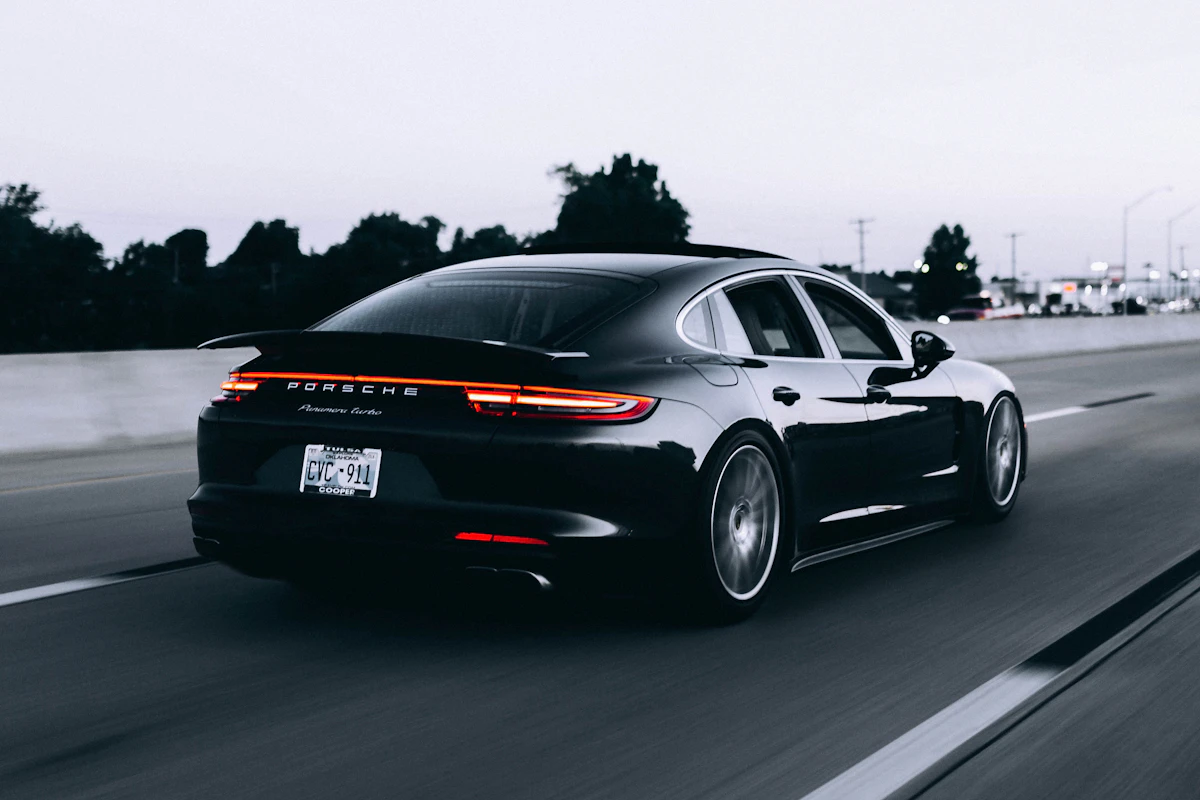
For many years, flying cars existed only in science fiction movies and futuristic stories. However, in 2026, several technology and aviation companies are actively developing real flying vehicle prototypes that could completely transform transportation in the future.
Flying cars combine automotive engineering, electric transportation, Artificial Intelligence, and aviation technology into a new form of smart mobility. Experts believe these vehicles may eventually reduce traffic congestion, improve urban transportation, and create faster travel systems.
Although flying cars are still under development, future cities may eventually include air-based transportation networks.
What Are Flying Cars?

Flying cars are vehicles designed to operate both on roads and in the air using advanced propulsion systems and smart technology.
Main Features:
- Vertical takeoff systems
- Electric propulsion
- AI navigation technology
- Autonomous flight systems
- Smart safety controls
Many future flying vehicles are expected to use electric energy instead of traditional fuel systems.
Why Companies Are Developing Flying Cars
Urban traffic congestion and transportation challenges are encouraging companies to explore new mobility solutions.
Main Reasons:
- Reducing traffic jams
- Faster urban travel
- Future smart cities
- Advanced transportation innovation
- Environmental improvements
Future transportation systems may expand beyond traditional road networks.
How Flying Cars Work

Modern flying car concepts use advanced electric motors, lightweight materials, AI systems, and vertical flight technology.
Important Technologies:
- Electric batteries
- Drone-style propellers
- Artificial Intelligence
- Autonomous navigation systems
- GPS flight management
AI technology may help future flying vehicles operate safely and efficiently.
Artificial Intelligence and Autonomous Flight
Artificial Intelligence is expected to play a major role in flying car systems.
AI May Help With:
- Automatic navigation
- Collision prevention
- Traffic management
- Flight route optimization
- Passenger safety systems
Autonomous flight systems could make flying transportation safer for public use.
Benefits of Flying Cars

Main Advantages:
- Reduced road congestion
- Faster travel times
- New transportation possibilities
- Improved emergency response
- Advanced urban mobility
Flying cars could significantly change transportation in large cities.
Challenges Facing Flying Cars
Although flying cars are exciting, several major challenges still exist.
Main Challenges:
- High production costs
- Safety regulations
- Battery limitations
- Noise pollution
- Air traffic management
Governments and engineers must solve many technical and legal issues before mass adoption.
Flying Cars and Smart Cities

Flying transportation systems may become closely connected with future smart cities.
Possible Smart City Features:
- AI-managed air traffic
- Sky transportation lanes
- Automated charging stations
- Integrated urban mobility systems
Future cities may develop special infrastructure for air-based transportation.
Environmental Impact of Flying Cars
Many companies are focusing on electric-powered flying vehicles to reduce pollution.
Possible Environmental Benefits:
- Lower fuel consumption
- Reduced carbon emissions
- Cleaner transportation systems
However, energy production and battery manufacturing still create environmental challenges.
Could Flying Cars Become Affordable?

Currently, flying car prototypes are extremely expensive and limited to testing programs.
Experts believe prices may eventually decrease as:
- Technology improves
- Mass production increases
- Battery systems become cheaper
- Competition grows
Future transportation technology often becomes more affordable over time.
The Future of Transportation
Transportation systems are evolving rapidly through Artificial Intelligence, electric mobility, and automation.
Future Transportation Trends:
- Autonomous vehicles
- Electric transportation
- Drone delivery systems
- AI traffic management
- Flying transportation networks
Human mobility may become faster, smarter, and more connected in the future.
Final Thoughts

Flying cars represent one of the most exciting future transportation technologies being developed in 2026. Advances in Artificial Intelligence, electric aviation, and autonomous systems are bringing futuristic mobility concepts closer to reality.
Although many technical and legal challenges still remain, future generations may eventually experience transportation systems far beyond today’s roads.
The future of mobility may not stay on the ground — it may rise into the skies.
Focus Keyword: Flying Cars Future Technology
Meta Description: Discover how flying cars could revolutionize future transportation with AI navigation, smart mobility, and advanced aviation technology.