
Why Smart Homes Are Becoming the Future of Modern Living

Technology is changing the way humans live every day. In 2026, smart homes are becoming one of the fastest-growing trends in modern living. From voice-controlled lights to AI-powered security systems, smart technology is transforming ordinary houses into intelligent digital environments.
Smart homes use connected devices, Artificial Intelligence, automation systems, and internet technology to improve convenience, security, energy efficiency, and daily life experiences.
Experts believe future homes may become fully automated and capable of understanding human habits, preferences, and routines.
What Is a Smart Home?
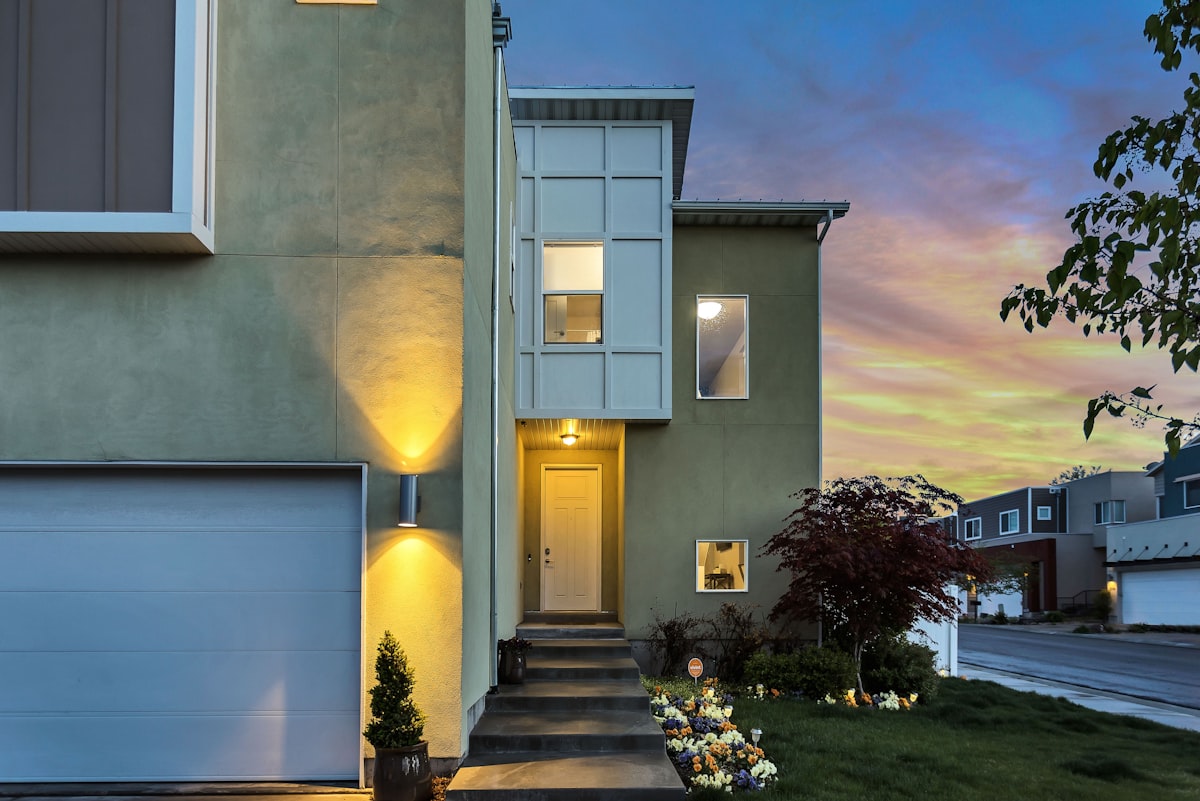
A smart home is a house equipped with internet-connected devices that can be controlled remotely or automatically.
Common Smart Home Devices:
- Smart lights
- AI voice assistants
- Smart TVs
- Automated door locks
- Security cameras
- Smart air conditioners
These devices can communicate with each other through wireless networks and AI systems.
How Smart Homes Work
Smart homes rely on sensors, Wi-Fi connections, cloud systems, and Artificial Intelligence to automate daily activities.
Main Technologies:
- Internet of Things (IoT)
- Artificial Intelligence
- Wireless automation
- Cloud computing
- Voice recognition systems
Users can usually control devices through smartphones or voice commands.
AI Voice Assistants in Smart Homes

AI voice assistants are becoming one of the most popular smart home technologies.
Voice Assistant Features:
- Playing music
- Controlling lights
- Managing schedules
- Searching information online
- Operating smart appliances
Future AI assistants may become even more personalized and intelligent.
Smart Home Security Systems
Home security is one of the biggest reasons people adopt smart home technology.
Smart Security Features:
- AI-powered cameras
- Motion detection systems
- Remote monitoring
- Smart doorbells
- Facial recognition technology
Users can monitor and control home security from anywhere using smartphones.
Energy Efficiency and Smart Technology

Smart homes can help reduce electricity usage and improve energy efficiency.
Energy-Saving Technologies:
- Smart thermostats
- Automated lighting systems
- Energy monitoring devices
- Solar energy integration
Automation systems can reduce unnecessary energy consumption.
Benefits of Smart Homes
Smart homes offer several advantages for modern lifestyles.
Main Benefits:
- Convenience
- Improved security
- Energy savings
- Remote control access
- Better home management
Many users enjoy the comfort and efficiency provided by automated systems.
Challenges and Risks

Although smart homes provide many benefits, there are also important challenges.
Main Concerns:
- Cybersecurity risks
- Privacy concerns
- Internet dependency
- High setup costs
- Technical issues
Protecting user data and digital privacy remains extremely important.
The Future of Smart Living
Experts believe future homes may become much more intelligent and automated.
Possible Future Features:
- Fully AI-managed homes
- Robot assistants
- Smart kitchens
- Health monitoring systems
- Predictive automation
Future homes may learn and adapt automatically to human behavior.
Smart Cities and Connected Homes

Smart homes are also connected with the development of future smart cities.
Future smart city systems may integrate:
- Connected transportation
- AI traffic management
- Digital energy systems
- Automated public services
Homes may eventually become part of larger intelligent urban networks.
Final Thoughts
Smart homes are rapidly becoming a major part of modern living in 2026. Artificial Intelligence, automation systems, and connected devices are making homes safer, more efficient, and more convenient.
Although challenges related to security and privacy still exist, smart home technology will likely continue expanding in the future.
The homes of tomorrow may become fully intelligent digital environments designed to improve everyday human life.
Focus Keyword: Smart Home Future Technology
Meta Description: Discover how smart homes are transforming modern living with AI automation, smart devices, home security, and future technology innovations.