
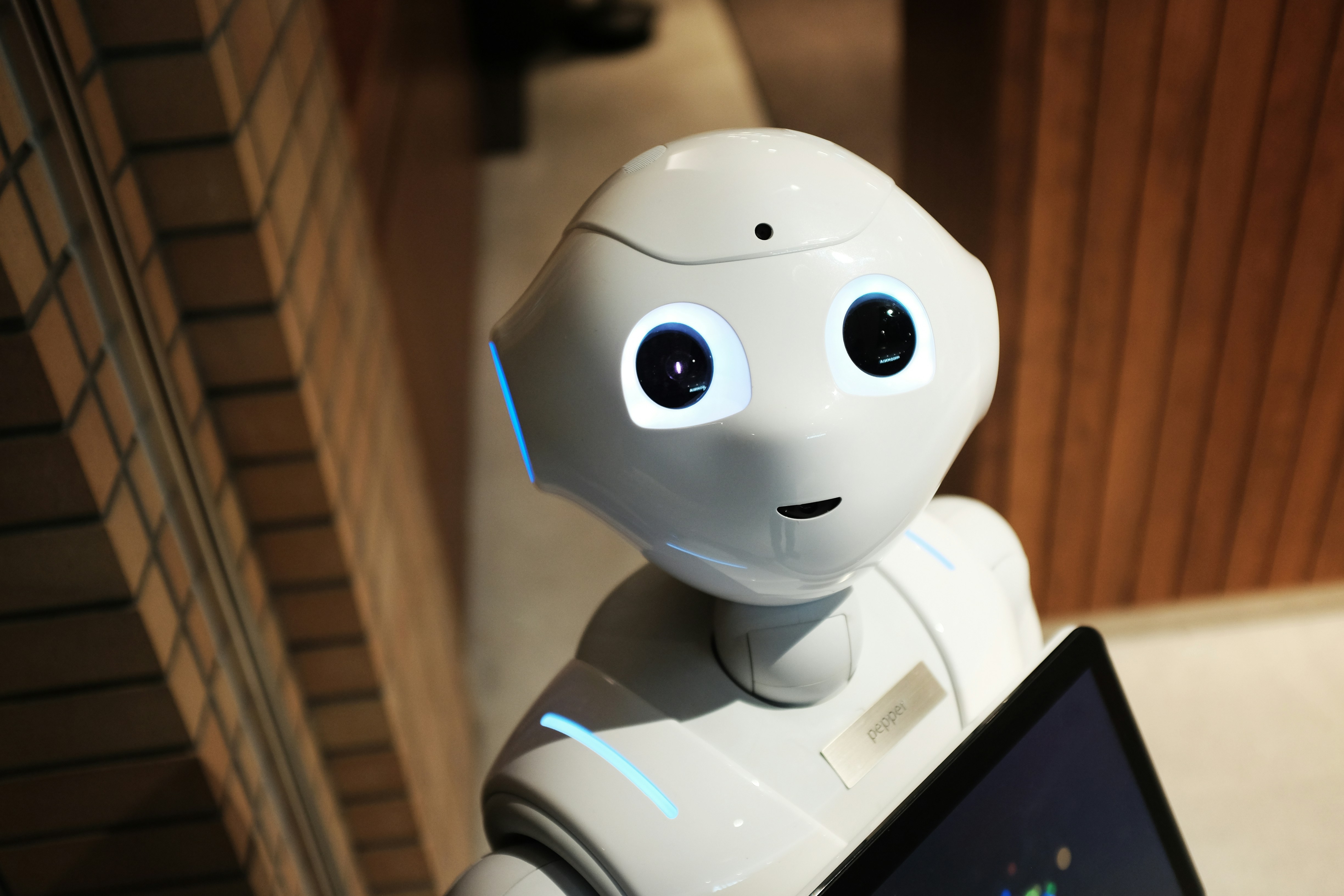
Artificial Intelligence, commonly known as AI, is rapidly transforming the modern world. From smartphones and social media platforms to smart homes and online businesses, AI has become an important part of our daily lives. In 2026, AI technology is more advanced, accessible, and powerful than ever before.
Many experts believe that Artificial Intelligence will continue shaping the future of work, education, healthcare, entertainment, and communication. Businesses are investing heavily in AI tools because they help save time, improve efficiency, and increase productivity.
In this article, we will explore how Artificial Intelligence is changing everyday life and why learning about AI is important for the future.
What Is Artificial Intelligence?
Artificial Intelligence is a technology that allows computers and machines to perform tasks that normally require human intelligence. These tasks include understanding language, recognizing images, solving problems, learning from data, and making decisions.
AI systems are designed to improve automatically through experience and data analysis. This process is called machine learning.
Examples of AI Technology:
- Voice assistants like Siri and Google Assistant
- AI chatbots
- Recommendation systems on YouTube and Netflix
- Smartphone face recognition
- AI image generators
- Self-driving vehicles
AI in Smartphones

Modern smartphones now use AI technology for many features. AI helps improve camera quality, battery optimization, voice recognition, and security systems.
For example, smartphone cameras use AI to automatically adjust lighting, recognize faces, and improve image quality. Virtual assistants can answer questions, set reminders, and control smart devices.
AI also helps smartphones learn user behavior and provide personalized recommendations.
AI in Education
Artificial Intelligence is making education more accessible and interactive. Students can now use AI tools to learn faster, solve problems, and improve productivity.
Benefits of AI in Education:
- Personalized learning experiences
- Smart tutoring systems
- Language translation tools
- Online learning assistance
- Research and writing support
Many students and teachers now use AI platforms for studying, creating presentations, and organizing educational materials.
AI in Healthcare

Healthcare is one of the industries benefiting the most from Artificial Intelligence. AI helps doctors analyze medical reports, detect diseases early, and improve patient care.
Advanced AI systems can process large amounts of medical data quickly and accurately. Hospitals also use AI-powered robots and automation systems to improve efficiency.
How AI Helps Healthcare:
- Disease prediction
- Medical image analysis
- Patient monitoring
- Drug research
- Virtual healthcare assistants
AI technology may continue revolutionizing healthcare in the coming years.
AI in Online Business
Online businesses are increasingly using AI tools for marketing, customer service, and automation. AI helps companies understand customer behavior and improve business performance.
Digital marketers use AI for:
- SEO optimization
- Content creation
- Advertising automation
- Email marketing
- Customer support chatbots
AI-powered tools can save businesses time and reduce costs significantly.
AI and Content Creation

Content creators and bloggers now use AI tools to write articles, edit videos, generate images, and manage social media content.
Popular AI tools help creators produce content faster while maintaining high quality. This has created new opportunities for freelancers, bloggers, and digital entrepreneurs.
Popular AI Content Tasks:
- Blog writing
- Image generation
- Video editing
- Social media captions
- SEO optimization
AI is becoming an important assistant for modern content creators.
Advantages of Artificial Intelligence
Artificial Intelligence offers many benefits for individuals and businesses.
Main Advantages:
- Increased productivity
- Faster problem solving
- Automation of repetitive tasks
- Improved accuracy
- Better user experiences
- 24/7 system availability
AI helps people work smarter and focus on more creative tasks.
Challenges of AI Technology
Although AI offers many benefits, it also creates some challenges and concerns.
Common Concerns About AI:
- Privacy issues
- Job automation fears
- Data security risks
- Misinformation generation
- Ethical concerns
Experts believe responsible AI development is important to ensure technology is used safely and ethically.
The Future of AI

The future of Artificial Intelligence looks extremely promising. AI technology is expected to become even more advanced in the next decade.
Future AI developments may include:
- More intelligent virtual assistants
- Advanced robotics
- Smart cities
- Improved healthcare systems
- Fully automated transportation
- Enhanced digital learning platforms
AI will likely continue influencing every major industry around the world.
Final Thoughts
Artificial Intelligence is no longer just a future concept. It is already changing how people live, work, study, and communicate every day.
Understanding AI technology is becoming increasingly important for students, freelancers, businesses, and content creators. Learning AI skills today can create valuable opportunities in the future.
As AI continues evolving, people who adapt to new technology and digital trends will have a significant advantage in the modern world.
Focus Keyword: Future of Artificial Intelligence
Meta Description: Discover how Artificial Intelligence is transforming everyday life in 2026. Learn about AI in healthcare, education, smartphones, online business, and the future of technology.