
How Artificial Intelligence Could Change Human Jobs in the Future

Artificial Intelligence is rapidly transforming industries and workplaces across the world. In 2026, AI systems are becoming smarter, faster, and more capable of performing tasks that once required human workers. From customer service to healthcare, AI technology is changing how businesses operate and how people work every day.
Experts believe Artificial Intelligence could create both exciting opportunities and serious challenges for future jobs. While some traditional jobs may become automated, entirely new industries and digital careers are also expected to emerge.
The future workplace may become a combination of human creativity and intelligent AI systems working together.
What Is Artificial Intelligence?
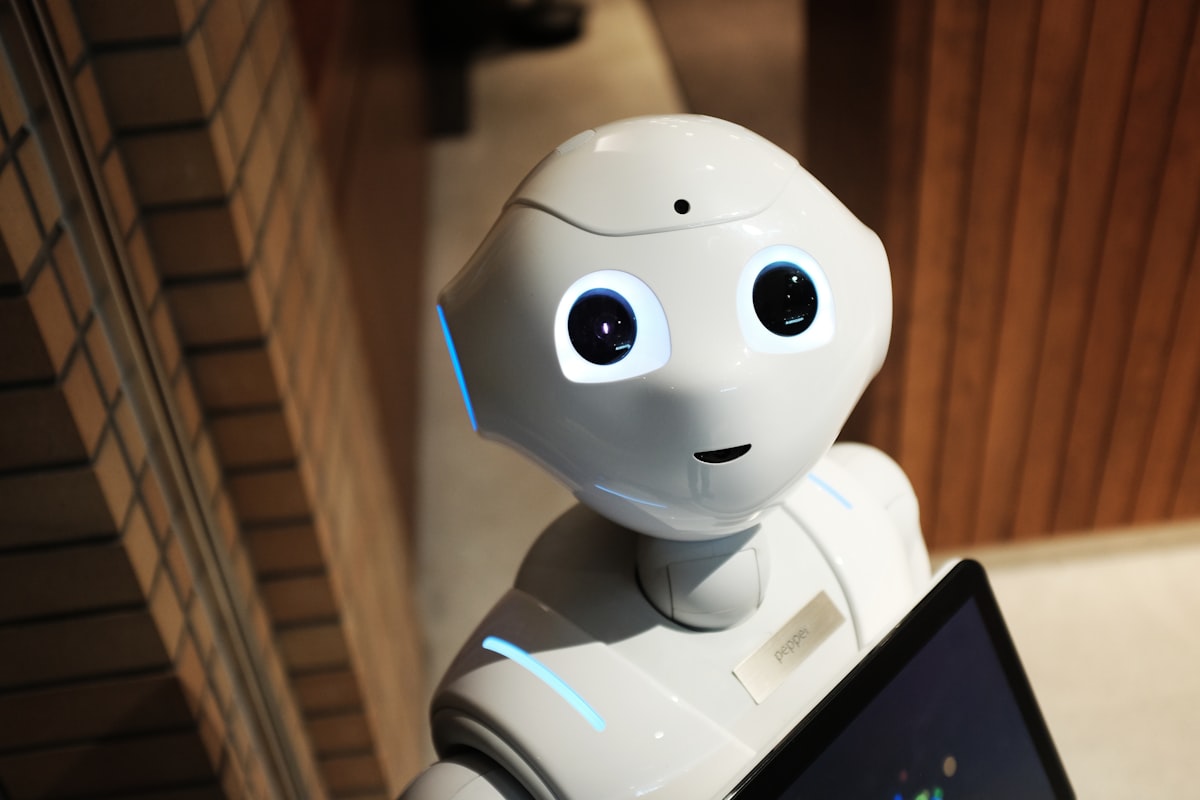
Artificial Intelligence refers to computer systems designed to perform tasks that normally require human intelligence.
Main AI Capabilities:
- Learning from data
- Problem solving
- Voice recognition
- Image analysis
- Language understanding
- Decision making
Modern AI systems use machine learning and advanced algorithms to improve performance over time.
Why AI Is Growing So Fast
Technology companies are investing billions of dollars into Artificial Intelligence research and development.
Main Reasons for AI Growth:
- Faster computers
- Large amounts of digital data
- Cloud computing systems
- Automation demand
- Business efficiency improvements
AI technology is becoming one of the most important industries in the digital economy.
Jobs Most Likely to Be Automated

Some repetitive and predictable jobs may become increasingly automated by AI systems and robotics.
Examples Include:
- Data entry jobs
- Factory work
- Customer support
- Basic accounting
- Warehouse operations
Automation may help businesses reduce costs and improve efficiency.
New Jobs Created by AI
Although some jobs may disappear, AI is also creating entirely new career opportunities.
Future AI Careers:
- AI engineers
- Machine learning specialists
- Data scientists
- AI ethics consultants
- Digital automation managers
The future job market may require more advanced digital and technical skills.
AI in Healthcare

Healthcare is one of the industries being transformed by Artificial Intelligence.
Medical AI Uses:
- Disease detection
- Medical image analysis
- Robot-assisted surgery
- Patient monitoring
- Drug research
AI systems may help doctors diagnose diseases more accurately and quickly.
Remote Work and AI Tools
AI-powered productivity tools are also changing remote work and online business operations.
Popular AI Work Tools:
- Content generation
- Video editing assistance
- AI chatbots
- Translation systems
- Productivity automation
Freelancers and online workers increasingly use AI tools to improve efficiency.
Challenges and Concerns

Although AI offers many advantages, it also raises concerns about the future workforce.
Main Concerns:
- Job displacement
- Privacy issues
- AI bias problems
- Cybersecurity risks
- Economic inequality
Governments and companies may need regulations to manage responsible AI development.
Human Skills Still Matter
Experts believe many human abilities will remain valuable even in an AI-driven future.
Important Human Skills:
- Creativity
- Emotional intelligence
- Leadership
- Critical thinking
- Communication skills
AI systems may support humans rather than completely replace them in many industries.
The Future of Work

The future workplace may become highly automated, digital, and AI-assisted.
Possible Future Trends:
- Hybrid human-AI teams
- Remote digital jobs
- Smart office systems
- AI productivity assistants
- Automated industries
Technology may continue changing how humans work and earn income in the coming decades.
Can AI Replace Human Creativity?
Although AI can generate text, images, and digital content, human creativity and originality remain extremely important.
Many experts believe humans will continue leading innovation, emotional storytelling, and complex decision-making.
The future may involve collaboration between humans and intelligent AI systems rather than complete replacement.
Final Thoughts

Artificial Intelligence is becoming one of the most powerful forces shaping the future of work and business in 2026. AI technology may automate some jobs while also creating entirely new opportunities and industries.
Although challenges still exist, AI could help improve productivity, healthcare, education, and digital innovation worldwide.
The future workforce may depend on humans learning how to work alongside intelligent technology systems.
Focus Keyword: Artificial Intelligence Future Jobs
Meta Description: Discover how Artificial Intelligence could transform future jobs, automation, digital careers, and modern workplaces around the world.