
Exploring the Rich Culture and History of Bangladesh
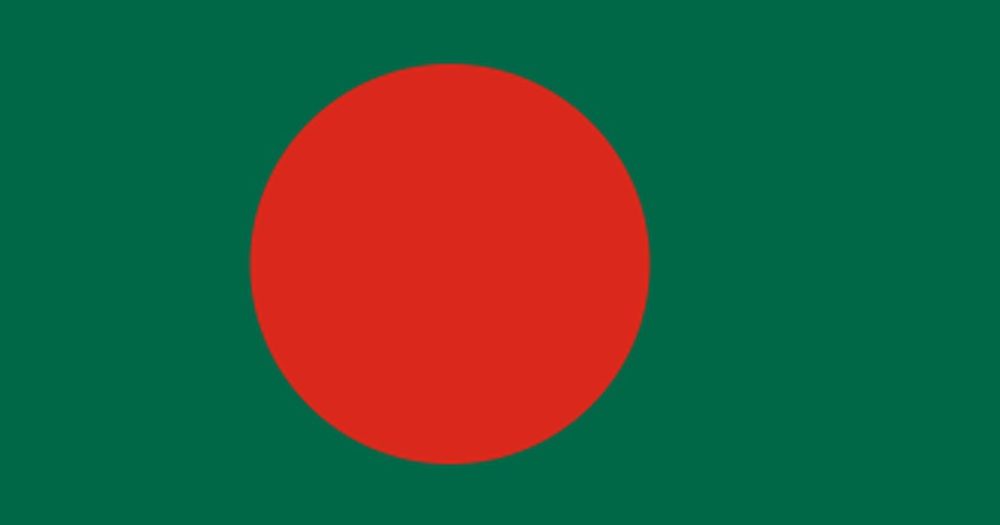
Discover Bangladesh's rich culture, history, and unique attractions. Learn about its geography, economy, and more.
Bangladesh, officially the People's Republic of Bangladesh, is a South Asian country with a rich cultural heritage and a fascinating history. Situated in the delta of the Ganges, Brahmaputra, and Meghna rivers, Bangladesh is known for its lush green landscapes, diverse wildlife, and vibrant cities. This blog post aims to provide a comprehensive overview of Bangladesh, covering its geographical features, cultural diversity, historical landmarks, and economic status.
Table of Contents
Geographical Overview
Bangladesh is a densely populated country with a total area of 147,570 square kilometers. It is bordered by India to the west, north, and east, and by Myanmar to the southeast. The country's geography is predominantly flat, with the exception of the Chittagong Hill Tracts in the southeast, which are part of the Eastern Himalayas.
The Brahmaputra, Ganges, and Meghna rivers form the world's largest delta, which is home to various species of flora and fauna. The Sundarbans, a mangrove forest, is a UNESCO World Heritage Site and is known for its Royal Bengal tigers.
Cultural Diversity
Bangladesh is a melting pot of cultures, with influences from Indian, Pakistani, and Southeast Asian cultures. The country's culture is a blend of traditions, languages, and religions.
The national language is Bengali, which is spoken by the majority of the population. English is widely spoken and is the language of education and administration. The country is also home to various ethnic groups, including the Chakma, Marma, and Tripura.
Bangladesh's cuisine is a reflection of its cultural diversity. Dishes like biryani, khichuri, and hilsa fish are popular and reflect the country's culinary heritage.
Historical Landmarks
Bangladesh has a rich history that dates back thousands of years. Some of the country's most notable historical landmarks include:
- Sonargaon: A historic trading port and the capital of the Sultanate of Bengal from the 14th to the 17th centuries.
- Lalbagh Fort: A 17th-century Mughal fort located in Dhaka, the capital city of Bangladesh.
- Sundarbans: A UNESCO World Heritage Site known for its Royal Bengal tigers and diverse wildlife.
- Varendra Research Museum: A museum dedicated to the history and culture of Bangladesh.
Economic Status
Bangladesh is a developing country with a growing economy. The country's GDP is approximately $300 billion, and the GDP per capita is around $1,800. The country's economy is driven by agriculture, textiles, and garments, which account for a significant portion of the country's exports.
Bangladesh is a member of various international organizations, including the United Nations, World Bank, and International Monetary Fund. The country has also made significant progress in reducing poverty and improving education and healthcare.
Tourism and Attractions
Bangladesh is a popular tourist destination, known for its rich cultural heritage, diverse wildlife, and beautiful landscapes. Some of the country's most popular tourist attractions include:
- Sundarbans: A UNESCO World Heritage Site and a popular destination for wildlife enthusiasts.
- Cox's Bazar: A coastal town known for its long sandy beach and vibrant nightlife.
- Sajek Valley: A scenic valley in the Chittagong Hill Tracts, known for its waterfalls and hiking trails.
- Rangamati: A hill district in the Chittagong Hill Tracts, known for its tea gardens and waterfalls.
Education and Healthcare
Bangladesh has made significant progress in improving education and healthcare in recent years. The country's literacy rate is approximately 70%, and the government has implemented various initiatives to improve access to education.
The country's healthcare system is also improving, with the government investing in hospitals, clinics, and healthcare workers. However, there are still challenges in providing adequate healthcare to all citizens, particularly in rural areas.
Frequently Asked Questions
What is the official language of Bangladesh?
The official language of Bangladesh is Bengali. English is widely spoken and is the language of education and administration.
What is the capital city of Bangladesh?
The capital city of Bangladesh is Dhaka.
What is the currency of Bangladesh?
The currency of Bangladesh is the Taka.
What is the population of Bangladesh?
As of 2021, the population of Bangladesh is approximately 166 million people.
Final Thoughts
Bangladesh is a country with a rich cultural heritage, a fascinating history, and a growing economy. The country's diverse geography, vibrant cities, and beautiful landscapes make it a popular tourist destination. With its focus on education, healthcare, and economic development, Bangladesh is poised for a bright future.