
Exploring Bangladesh: Culture, Geography & Economy
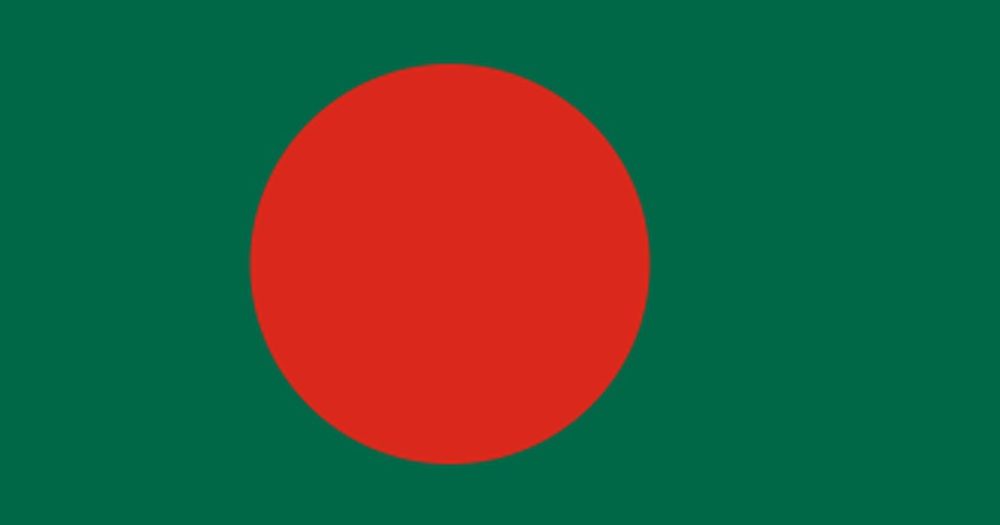
Discover Bangladesh's rich culture, diverse geography, and thriving economy. Learn about its history, people, and more.
Bangladesh, officially the People's Republic of Bangladesh, is a country in South Asia. It is the world's eighth-most populous country, with over 160 million people. Bangladesh is known for its rich cultural heritage, diverse geography, and rapidly growing economy. This blog post will delve into the various aspects of Bangladesh, providing a comprehensive overview of what makes this country unique.
Table of Contents
A Brief History of Bangladesh
Bangladesh's history dates back to ancient times, with evidence of human settlement dating back to the Paleolithic era. The region was home to several ancient civilizations, including the Bengal Sultanate, which ruled from the 14th to the 16th century. The Mughal Empire, which ruled from the 16th to the 18th century, also had a significant impact on the region.
The British East India Company established a presence in Bengal in the 18th century, and by the early 19th century, the region was under direct British control. The Indian Rebellion of 1857 led to the British Crown's assumption of direct control over the region, which was renamed British India in 1876.
After World War II, the Indian National Congress and the Muslim League, a political party representing the Muslim minority, began to demand greater autonomy for the Muslim-majority regions of British India. The partition of British India in 1947 led to the creation of Pakistan, which included the Muslim-majority regions of British India, as well as East Pakistan, which was predominantly Muslim.
In 1971, East Pakistan, which was renamed Bangladesh, seceded from Pakistan and became an independent country. The Bangladesh Liberation War, which lasted from December 1970 to December 1971, was a brutal conflict that resulted in the deaths of hundreds of thousands of people. Despite the war's devastation, Bangladesh has since made significant progress in rebuilding and developing its economy and infrastructure.
Bangladesh's Geography and Climate
Bangladesh is located in South Asia, bordered by India to the west, north, and east, and by Myanmar to the southeast. The country is a low-lying delta region, with the Ganges, Brahmaputra, and Meghna rivers forming the largest delta in the world. The country's geography is characterized by its extensive network of rivers, canals, and estuaries, as well as its vast wetlands and mangrove forests.
Bangladesh's climate is tropical, with a hot, humid summer and a cool, dry winter. The monsoon season, which lasts from June to September, brings heavy rainfall and flooding to much of the country. Cyclones are also a common occurrence during the monsoon season, with the most severe cyclones typically occurring in the Bay of Bengal.
The country's geography and climate have had a significant impact on its people and culture. The extensive network of rivers and canals has facilitated trade and commerce, while the monsoon season has provided fertile soil for agriculture. However, the country's low-lying geography has also made it vulnerable to natural disasters, such as floods, cyclones, and droughts.
Bangladesh's Culture and Society
Bangladesh's culture and society are a reflection of its diverse history and geography. The country's people are known for their hospitality, warmth, and resilience, which have been tested and proven over the centuries. Bangladesh's culture is characterized by its rich and varied traditions, which include its language, literature, music, dance, and cuisine.
Bengali is the official language of Bangladesh, and it is spoken by the majority of the population. The country's literature, which dates back to ancient times, includes a wide range of genres, including poetry, prose, and drama. Bengali music and dance are also highly regarded, with traditional forms such as Baul music and Sattriya dance being particularly popular.
Bangladesh's cuisine is a reflection of its diverse geography and history. The country's cuisine is characterized by its use of rice, fish, and spices, as well as its variety of regional dishes. Bengali sweets, such as rosogolla and sandesh, are also highly regarded and are popular both within Bangladesh and abroad.
Bangladesh's society is also characterized by its religious diversity, with the majority of the population being Muslim. However, the country also has significant Hindu, Buddhist, Christian, and other religious minorities. Despite its religious diversity, Bangladesh's people are known for their tolerance, understanding, and respect for one another's beliefs.
Bangladesh's Economy and Development
Bangladesh's economy has undergone significant growth and development in recent years, with the country's GDP growing at an average annual rate of over 6% since the 1990s. The country's economy is characterized by its agricultural sector, which employs the majority of the workforce and accounts for a significant portion of the country's GDP. However, Bangladesh's economy is also characterized by its rapidly growing industrial and services sectors, which have been driven by the country's large and young population, as well as its strategic location in South Asia.
Bangladesh's industrial sector is characterized by its textiles and garment manufacturing, which accounts for over 80% of the country's exports. The country is the second-largest exporter of textiles and garments in the world, after China. Bangladesh's garment industry has been a significant driver of the country's economic growth and development, with the industry employing over 4 million people and accounting for over 35% of the country's GDP.
Bangladesh's services sector is also rapidly growing, with the country's banking, insurance, and information technology sectors being particularly notable. The country's banking sector is one of the largest in South Asia, with over 100 commercial banks and over 1,000 financial institutions. The country's insurance sector is also growing rapidly, with the country's insurance penetration rate being one of the highest in the world. The country's information technology sector is also growing rapidly, with the country's software and IT-enabled services sector accounting for over 10% of the country's GDP.
Despite its significant economic growth and development, Bangladesh still faces significant challenges, including poverty, inequality, and environmental degradation. The country's rural areas are still characterized by poverty and inequality, with many people living in extreme poverty and lacking access to basic services such as education, healthcare, and sanitation. The country's environmental degradation is also a significant concern, with the country's extensive network of rivers and wetlands being threatened by pollution, over-extraction, and climate change.
Frequently Asked Questions
What is the population of Bangladesh?
Bangladesh is the world's eighth-most populous country, with over 160 million people.
What is the official language of Bangladesh?
Bengali is the official language of Bangladesh, and it is spoken by the majority of the population.
What is the main industry in Bangladesh?
Bangladesh's main industry is textiles and garment manufacturing, which accounts for over 80% of the country's exports.
Final Thoughts
Bangladesh is a country of great diversity, resilience, and potential. Its rich cultural heritage, diverse geography, and rapidly growing economy make it a fascinating and dynamic country to explore and understand. Despite its significant challenges, Bangladesh has made significant progress in recent years, and its people continue to strive for a better future for themselves and their country.