
How AI Personal Assistants Are Changing Everyday Life in 2026
Artificial intelligence has moved far beyond simple chatbots and search tools. In 2026, AI personal assistants are becoming useful digital companions that can help people organize information, write content, learn new subjects, manage tasks and complete everyday digital work. Instead of using separate tools for every small activity, users can increasingly interact with AI through natural language.

Table of Contents
What Is an AI Personal Assistant?
An AI personal assistant is software that uses artificial intelligence to understand instructions and provide useful responses or perform digital tasks. Traditional digital assistants were mainly designed for simple commands such as setting alarms, checking weather or starting applications. Modern AI assistants can understand much more complex instructions.
For example, a user can ask an AI assistant to summarize a long document, create a study plan, explain a difficult concept, draft an email or organize a list of tasks. The assistant can also work with text, images, files and other types of information depending on the platform.
This makes AI assistants particularly useful for people who spend significant amounts of time working with information. Students, freelancers, business owners, creators and office workers can use AI to reduce repetitive work and spend more time on tasks that require human judgment.
AI personal assistants are becoming a new interface for interacting with digital information and software.
How AI Assistants Improve Productivity

One of the biggest advantages of AI assistants is their ability to help users complete repetitive information-based tasks. Instead of manually creating a long document or organizing scattered notes, users can provide instructions and let AI create an initial structure.
AI can help generate outlines, summarize meetings, rewrite text, create checklists, organize ideas and explain complicated information. This can be useful when someone knows what they want to accomplish but does not know how to structure the work.
AI assistants can also support time management. A user could provide a list of responsibilities and ask the assistant to organize them into a practical schedule. The final decision remains with the user, but AI can make the planning process faster.
Useful Productivity Tasks
Common examples include creating to-do lists, drafting professional messages, summarizing documents, preparing presentations, generating ideas, analyzing information and creating project plans.
AI Assistants for Students and Learning

Education is another area where AI assistants can provide useful support. Students can ask AI to explain difficult subjects using simpler language, create practice questions or organize study materials into manageable sections.
For example, a mathematics student can ask an AI assistant to explain a formula step by step. A language learner can use AI to practice vocabulary, grammar and writing. Students preparing for examinations can also use AI to generate revision questions based on a particular topic.
However, AI should be treated as a learning aid rather than a replacement for studying. Information generated by AI can sometimes contain mistakes, so important academic information should be checked against textbooks, teachers and reliable educational sources.
The most useful way to use AI for education is to make learning clearer and more interactive, not to avoid learning altogether.
AI for Communication and Daily Tasks

AI assistants can also simplify everyday communication. They can help users write emails, improve grammar, translate text, summarize conversations and adjust the tone of a message for different situations.
Someone writing a professional email, for example, can provide a rough explanation of what they want to say and ask AI to turn it into a clear and professional message. Similarly, users can ask AI to simplify complicated information or translate content into another language.
AI can also assist with everyday digital activities such as creating shopping lists, planning trips, organizing notes and preparing reminders. As AI becomes integrated into more applications, these capabilities may become available directly inside the tools people already use.
Why Natural Language Matters
One important change is that users no longer need to learn complicated commands for many AI-powered tasks. They can describe what they need using ordinary language. This makes advanced digital tools easier for beginners to use.
The Future of AI Personal Assistants
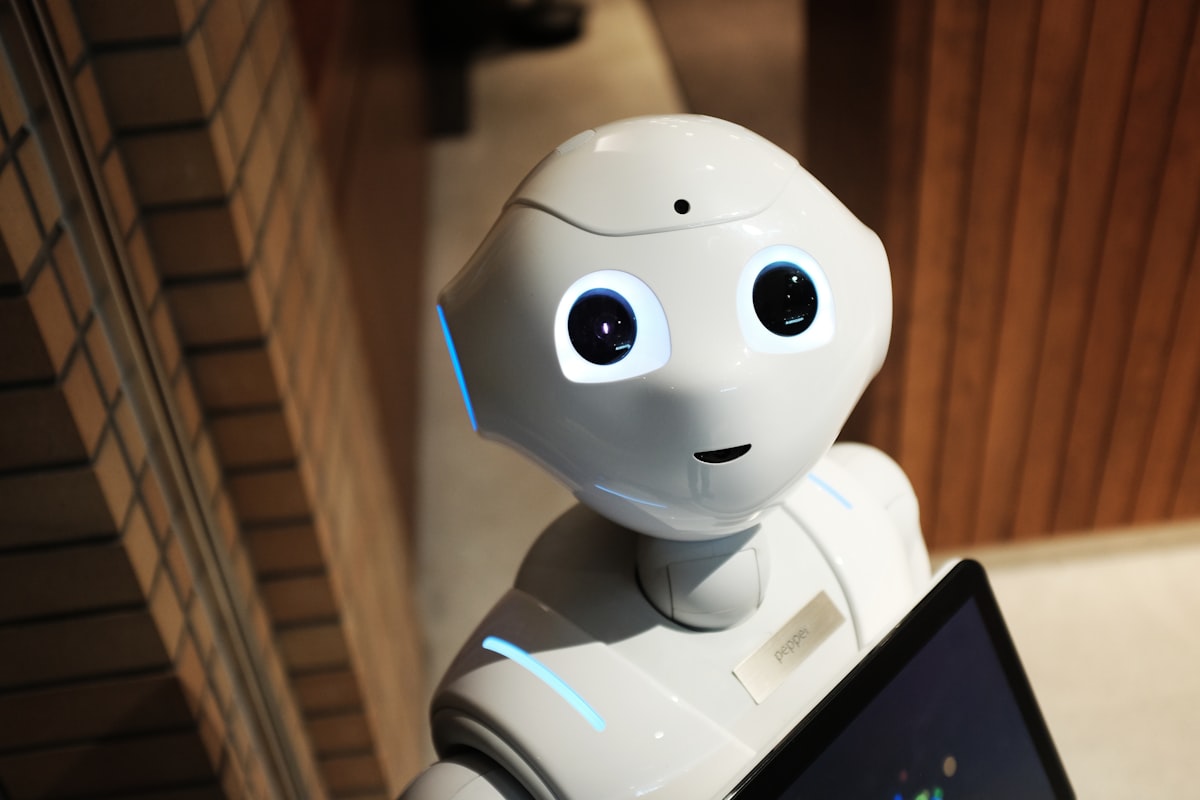
The future of AI personal assistants is likely to involve deeper integration with computers, smartphones, productivity software and online services. Instead of simply answering questions, future assistants may increasingly help users complete multi-step digital workflows.
For example, an assistant could potentially help organize information from several applications, prepare a report from available documents, create a presentation and then help the user review the final result. The exact capabilities will depend on the software, permissions and services connected to the assistant.
Privacy and security will also remain important. Users should understand what information an AI service can access and avoid providing sensitive information unless they trust the service and understand its data practices.
AI personal assistants are therefore becoming an important part of the modern digital environment. Their greatest value may not come from replacing people, but from helping people handle information and repetitive digital tasks more efficiently.
Frequently Asked Questions
What is an AI personal assistant?
An AI personal assistant is software that uses artificial intelligence to understand user instructions and assist with tasks such as writing, learning, planning, research and information management.
Can students use AI personal assistants?
Yes. Students can use AI assistants for explanations, practice questions, revision planning, language learning and organizing study materials. Important information should always be verified.
Can AI assistants replace human workers?
AI can automate or assist with some tasks, but many jobs require human judgment, communication, creativity, responsibility and physical activity. The effect of AI varies significantly between occupations and tasks.
Are AI personal assistants safe?
Safety depends on the service, its security practices and how it is used. Users should review privacy settings and avoid sharing sensitive information unnecessarily.
Why are AI assistants becoming popular?
They can understand natural-language instructions and help with many information-based tasks, making digital tools easier and faster to use.
Final Thoughts
AI personal assistants are becoming an increasingly important part of everyday technology. From productivity and education to communication and planning, they can help users handle many digital tasks more efficiently. As these systems continue to develop, understanding how to use them responsibly will become an important digital skill.