
Exploring Japan: A Journey Through Culture, History, and Modernity
Discover the rich culture, history, and modernity of Japan. From ancient temples to futuristic cities, explore what makes Japan unique.
Japan, an island nation in East Asia, is a land of contrasts. It is home to ancient traditions and cutting-edge technology, serene temples and bustling cities. This blog post will take you on a journey through Japan's rich history, vibrant culture, and modern advancements, offering insights into what makes this country so unique.
Table of Contents
A Brief History of Japan
Japan's history is a tapestry of empires, wars, and cultural exchanges. From the Jomon period, the country's earliest known inhabitants, to the Meiji Restoration in the late 19th century, Japan's history is marked by significant milestones.
- Jomon period (14000-300 BCE): The earliest known inhabitants of Japan.
- Yayoi period (300 BCE-300 CE): Introduction of rice agriculture and new tools.
- Kofun period (300-538 CE): Rise of powerful clans and the first large-scale burial mounds.
- Asuka period (538-710 CE): Introduction of Buddhism and the beginning of a centralized state.
- Nara period (710-794 CE): Establishment of the first permanent capital and the beginning of the Heian period.
- Heian period (794-1185 CE): Golden age of Japanese literature and art.
- Kamakura period (1185-1333 CE): Rise of the samurai class and the beginning of the shogunate system.
- Muromachi period (1336-1573 CE): The Sengoku period, a time of civil war and the rise of the warrior class.
- Azuchi-Momoyama period (1573-1603 CE): Unification of Japan under Toyotomi Hideyoshi and Tokugawa Ieyasu.
- Edo period (1603-1868 CE): The Tokugawa shogunate's rule and the isolation of Japan from the rest of the world.
- Meiji Restoration (1868 CE): The beginning of Japan's modernization and the end of the Edo period.
- Taishō period (1912-1926 CE): Japan's entry into World War I and the beginning of the Taishō democracy.
- Shōwa period (1926-1989 CE): Japan's role in World War II, the Pacific War, and the beginning of the post-war economic miracle.
- Heisei period (1989-2019 CE): The end of the Cold War, the rise of Japan as a global economic power, and the beginning of the Heisei era.
- Reiwa period (2019-present CE): The current era, marked by the abdication of Emperor Akihito and the ascension of Emperor Naruhito.
Japanese Culture: Traditions and Modernity
Japan's culture is a blend of ancient traditions and modern innovations. From traditional arts to contemporary fashion, Japan offers a unique cultural experience.
- Traditional Arts: Tea ceremony, calligraphy, and traditional dance are some of the traditional arts that have been practiced in Japan for centuries.
- Modern Innovations: Japan is known for its advancements in technology, fashion, and design. Companies like Sony, Toyota, and Nike have their origins in Japan.
- Festivals: Japan is famous for its vibrant festivals, such as the Gion Matsuri in Kyoto and the Nebuta Matsuri in Aomori.
- Cuisine: Japanese cuisine is a blend of regional specialties and national dishes. Sushi, ramen, and tempura are some of the most popular dishes.
- Language: The Japanese language is unique and complex, with its own writing system, kanji, hiragana, and katakana.
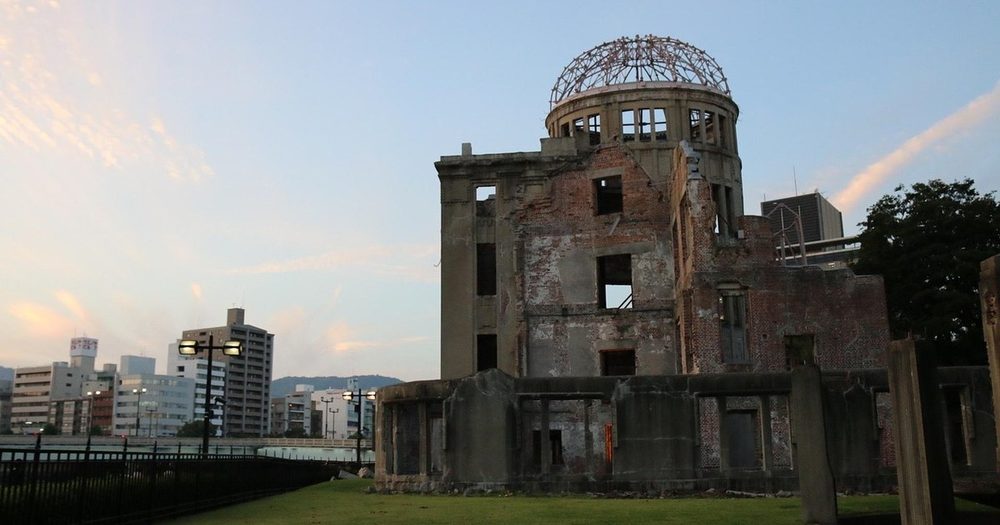
Modern Japan: Cities, Technology, and Innovation
Japan is a land of contrasts, where ancient traditions coexist with cutting-edge technology. From the bustling streets of Tokyo to the serene temples of Kyoto, Japan offers a unique blend of the old and the new.
- Tokyo: The capital of Japan, Tokyo is a vibrant city that never sleeps. It is home to some of the world's most advanced technology and innovation.
- Osaka: Known as Japan's kitchen, Osaka is a city of food and culture. It is home to some of the best restaurants and shopping districts in the world.
- Kyoto: The cultural heart of Japan, Kyoto is a city of ancient temples and traditional arts. It is a UNESCO World Heritage site and a must-visit destination for any traveler.
- Technology and Innovation: Japan is a global leader in technology and innovation. Companies like Sony, Toyota, and Panasonic have their origins in Japan.
- Robotics: Japan is known for its advancements in robotics. Companies like SoftBank Robotics and Toyota have developed some of the most advanced robots in the world.
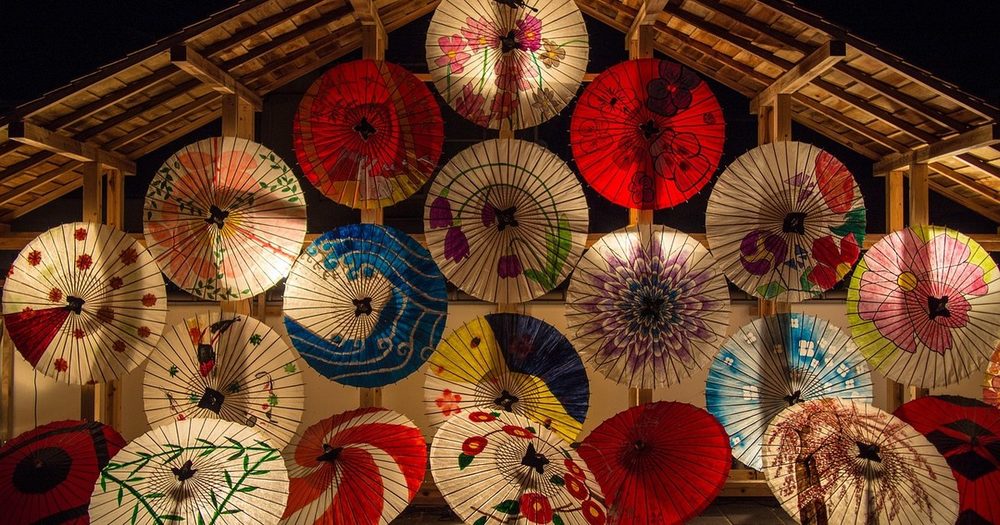
Timeline of Japan's History
| Period | Year | Key Events |
|---|---|---|
| Jomon period | 14000-300 BCE | The earliest known inhabitants of Japan. |
| Yayoi period | 300 BCE-300 CE | Introduction of rice agriculture and new tools. |
| Kofun period | 300-538 CE | Rise of powerful clans and the first large-scale burial mounds. |
| Asuka period | 538-710 CE | Introduction of Buddhism and the beginning of a centralized state. |
| Nara period | 710-794 CE | Establishment of the first permanent capital and the beginning of the Heian period. |
| Heian period | 794-1185 CE | Golden age of Japanese literature and art. |
| Kamakura period | 1185-1333 CE | Rise of the samurai class and the beginning of the shogunate system. |
| Muromachi period | 1336-1573 CE | The Sengoku period, a time of civil war and the rise of the warrior class. |
| Azuchi-Momoyama period | 1573-1603 CE | Unification of Japan under Toyotomi Hideyoshi and Tokugawa Ieyasu. |
| Edo period | 1603-1868 CE | The Tokugawa shogunate's rule and the isolation of Japan from the rest of the world. |
| Meiji Restoration | 1868 CE | The beginning of Japan's modernization and the end of the Edo period. |
| Taishō period | 1912-1926 CE | Japan's entry into World War I and the beginning of the Taishō democracy. |
| Shōwa period | 1926-1989 CE | Japan's role in World War II, the Pacific War, and the beginning of the post-war economic miracle. |
| Heisei period | 1989-2019 CE | The end of the Cold War, the rise of Japan as a global economic power, and the beginning of the Heisei era. |
| Reiwa period | 2019-present CE | The current era, marked by the abdication of Emperor Akihito and the ascension of Emperor Naruhito. |
Frequently Asked Questions
What is the best time to visit Japan?
The best time to visit Japan is during the spring (March to May) and autumn (September to November) seasons. The weather is pleasant, and the country is in full bloom with cherry blossoms and colorful foliage.
What is the currency of Japan?
The currency of Japan is the Japanese yen (JPY). It is important to exchange your currency before traveling to Japan to avoid high exchange rates.
What is the dress code in Japan?
Japan has a unique dress code, especially in traditional settings. It is important to dress modestly and respectfully. In modern settings, casual wear is acceptable.
Final Thoughts
Japan is a land of contrasts, where ancient traditions coexist with cutting-edge technology. From the bustling streets of Tokyo to the serene temples of Kyoto, Japan offers a unique blend of the old and the new. Whether you are interested in history, culture, or technology, Japan has something to offer everyone. So, pack your bags and get ready for an unforgettable journey through the land of the rising sun.