
Will Israel’s Upcoming Election Shift Policy or Global Status?
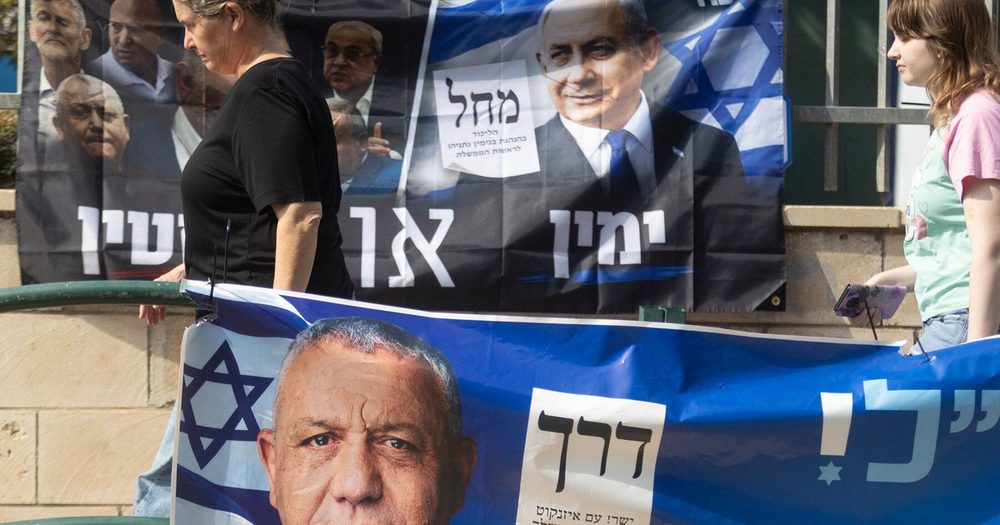
As Netanyahu and Eisenkot campaign in Hadera, analysts question if Israel's election will truly alter its domestic policies or global standing.
As the political landscape in Israel undergoes intense scrutiny, the upcoming elections have become a central focus for both local and international observers. In the city of Hadera, the physical environment has already begun to reflect the growing electoral tension. While the democratic process is in full swing, a significant question lingers among political commentators: will a change in leadership actually result in a departure from current government directions? This analysis looks at the current campaign activities and the skepticism surrounding potential shifts in national strategy and international relations.
Table of Contents
Campaign Presence in Hadera
On Tuesday, the visual cues of the electoral race became highly visible in Hadera. The city served as a backdrop for various political advertisements, marking a clear escalation in the campaign season.
Observers noted the prominent display of campaign posters for several key political figures, signaling the intensifying competition between the major parties vying for control of the government.
The Leading Contenders
The current political battle features prominent leaders with distinct party affiliations. The campaign materials observed in Hadera highlighted two major figures:
- Benjamin Netanyahu, representing the Likud party.
- Gadi Eisenkot, the leader of the Yashar party.
The presence of these posters underscores the direct confrontation between the established Likud leadership and the alternative vision presented by Eisenkot's Yashar party.
Predictions on Policy Continuity
Despite the high stakes of the election, there is a prevailing skepticism regarding the potential for actual change. Many experts suggest that the election may not serve as a catalyst for significant transformations in the nation's trajectory.
Specifically, two areas are expected to remain largely stable:
- Domestic and foreign policy: The fundamental approach to governance may persist regardless of the winner.
- Global standing: There is little expectation that the election will resolve the current state of global isolation facing the country.
Frequently Asked Questions
Which political figures were seen campaigning in Hadera?
Campaign materials were visible for Prime Minister Benjamin Netanyahu of the Likud party and Gadi Eisenkot, the leader of the Yashar party.
When were the campaign posters observed in Hadera?
The posters were noted on Tuesday.
Is a change in government expected to change Israel's global isolation?
Current analysis suggests that the election is unlikely to significantly alter the country's policies or its current level of global isolation.
Final Thoughts
The upcoming electoral cycle presents a choice between established leadership and new political directions. However, the core debate remains whether the democratic transition will yield meaningful changes. As Netanyahu and Eisenkot continue their respective campaigns, the question of whether Israel will see a shift in its strategic policy or its international standing continues to dominate the political discourse.
📰 Source: Read original story