
Exploring Bangladesh: Culture, Geography, and Economy
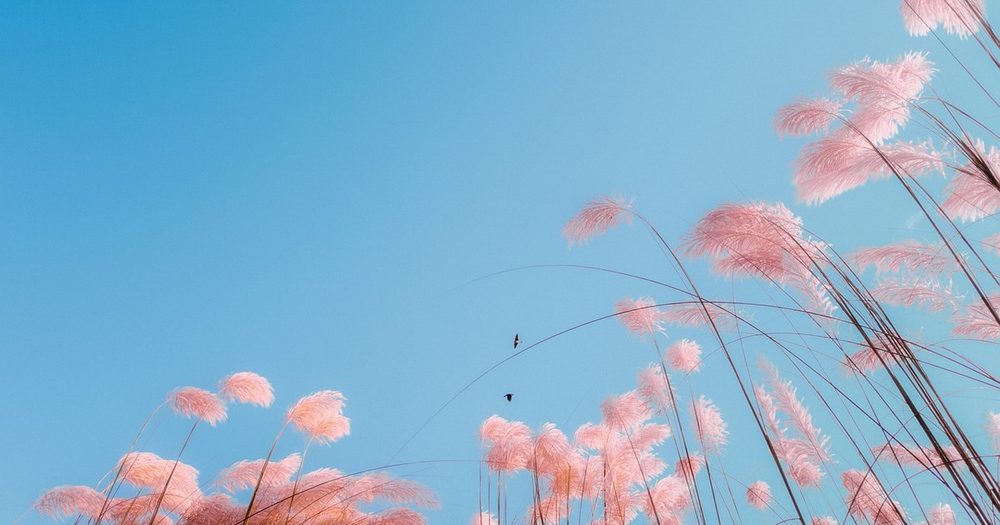
Discover the rich culture, diverse geography, and robust economy of Bangladesh. Learn about its history, people, and key attractions.
Bangladesh, officially the People's Republic of Bangladesh, is a country in South Asia. It is the eighth-most populous country in the world, with over 160 million people. Known for its rich cultural heritage, diverse landscapes, and rapid economic growth, Bangladesh is a fascinating destination for travelers and a significant player in global affairs. This blog post explores the various facets of Bangladesh, from its history and culture to its geography and economy.
Table of Contents
History and Culture
Bangladesh has a rich and diverse cultural heritage that dates back thousands of years. The region was home to several ancient civilizations, including the Indus Valley and the Maurya Empire. The Bengal Sultanate, which ruled over parts of the Indian subcontinent from the 13th to the 16th century, left a lasting impact on the country's culture and architecture.
The partition of India in 1947 led to the creation of East Pakistan, which later became Bangladesh in 1971 after a brutal war for independence. This event is commemorated annually on March 26 as Independence Day.
Bangladesh's culture is a vibrant blend of Bengali, Islamic, and Hindu traditions. The country is famous for its classical music, dance, and literature. Festivals like Pohela Boishakh, Eid-ul-Fitr, and Durga Puja are celebrated with great enthusiasm and attract tourists from around the world.
Geography and Climate
Bangladesh is a low-lying country, with an average elevation of about 8 meters above sea level. It is bordered by India to the west, north, and east, and by Myanmar to the southeast. The country is divided into eight administrative divisions, each with its own unique characteristics.
The Ganges, Brahmaputra, and Meghna rivers flow through Bangladesh, providing fertile land for agriculture. The country's climate is tropical, with a hot, humid summer and a cool, dry winter. The monsoon season, which lasts from June to September, brings heavy rainfall and is crucial for agriculture.
Bangladesh is home to a variety of flora and fauna, including the Royal Bengal tiger, the Gangetic dolphin, and numerous species of birds and plants. The Sundarbans, a mangrove forest in the delta region, is a UNESCO World Heritage Site and is home to the largest population of Royal Bengal tigers in the world.
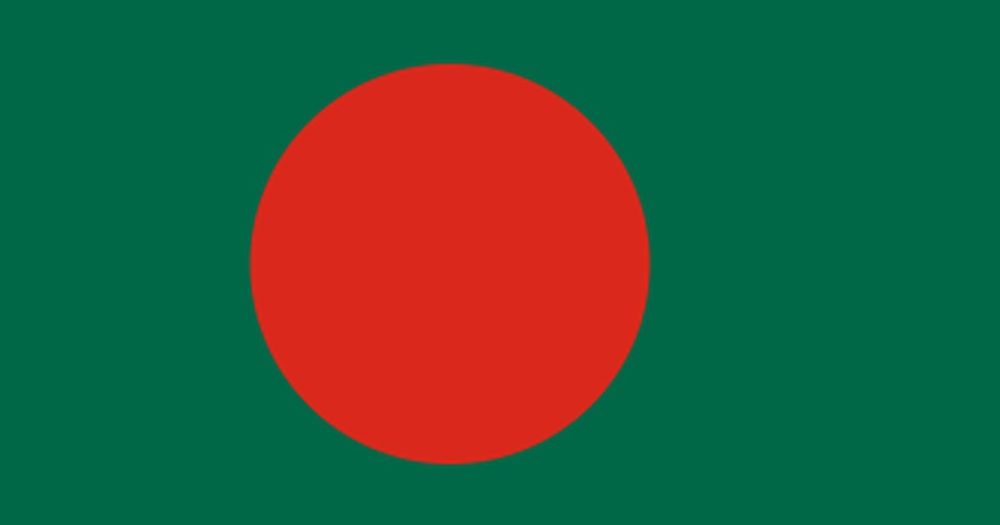
Economy and Development
Bangladesh has one of the fastest-growing economies in the world, with an average annual GDP growth rate of over 6% since the 1990s. The country's economy is driven by agriculture, textiles, and remittances. Rice, jute, and tea are the main agricultural products, while garments and ready-made garments (RMG) are the key exports.
Bangladesh is a major exporter of textiles and garments, with the RMG sector employing over 4 million people. The government has implemented several initiatives to promote the RMG sector, including the establishment of the Export Processing Zones (EPZs) and the provision of tax incentives.
Despite its economic growth, Bangladesh faces several challenges, including poverty, inequality, and environmental degradation. The government is working to address these issues through various development programs and policies.

People and Society
Bangladesh is a diverse and multicultural society, with a population of over 160 million people. The majority of the population is Bengali Muslim, but there are also significant communities of Hindus, Buddhists, and Christians. The country is known for its strong sense of community and social cohesion.
Education is a priority in Bangladesh, with the government investing heavily in schools and universities. The country has made significant progress in literacy rates, with over 70% of the population now literate.
Bangladesh is also known for its strong women's movement and empowerment programs. The government has implemented several policies to promote gender equality and women's rights, including the provision of free education and healthcare for girls.
Key Attractions and Travel
Bangladesh is a paradise for travelers, with a wealth of natural and cultural attractions. The Sundarbans, the world's largest mangrove forest, is a must-visit destination for nature lovers. The Cox's Bazar sea beach, which is often referred to as the 'longest sea beach in the world,' is another popular tourist spot.
The historic city of Dhaka, the capital of Bangladesh, is home to several UNESCO World Heritage Sites, including the Lalbagh Fort and the Ahsan Manzil. The city is also known for its vibrant street food scene and bustling markets.
Bangladesh is also a great destination for adventure travelers. The country has several national parks and wildlife sanctuaries, including the Madhupur Tiger Reserve and the Lawachara National Park. The country's rivers and canals offer opportunities for boating and fishing.
Frequently Asked Questions
What is the official language of Bangladesh?
The official language of Bangladesh is Bengali. English is widely spoken and used in government and education.
What is the currency of Bangladesh?
The currency of Bangladesh is the Taka, with 100 Poisha making up one Taka.
What is the best time to visit Bangladesh?
The best time to visit Bangladesh is from October to March, when the weather is cool and dry. The monsoon season, which lasts from June to September, can be quite wet and humid.
Final Thoughts
Bangladesh is a country of contrasts, with a rich cultural heritage, diverse landscapes, and a rapidly growing economy. Despite its challenges, the country is making significant progress in various areas, including education, women's empowerment, and environmental conservation. Bangladesh is a fascinating destination for travelers and a significant player in global affairs. As the country continues to develop and evolve, it is sure to make an even greater impact on the world stage.