
Bangladesh: A Land of Rich Culture and Vibrant Economy
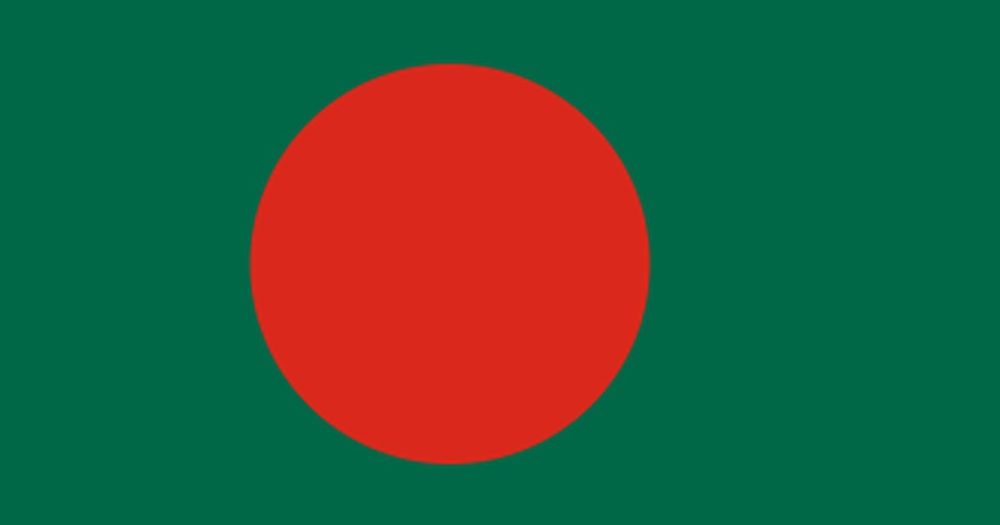
Explore the rich culture, vibrant economy, and unique geography of Bangladesh. Learn about its history, people, and key attractions.
Nestled in the heart of South Asia, Bangladesh is a country that seamlessly blends rich cultural heritage with a rapidly developing economy. Known for its lush green landscapes, bustling cities, and warm-hearted people, Bangladesh offers a unique blend of tradition and modernity. This comprehensive guide delves into the various facets of Bangladesh, from its historical background to its key attractions, economic landscape, and cultural diversity.
Table of Contents
Historical Background
Bangladesh, formerly known as East Pakistan, has a history that dates back thousands of years. The region was home to various civilizations, including the Indus Valley and the Bengal Sultanate. The country's modern history is closely intertwined with the Indian independence movement. After the partition of India in 1947, East Pakistan became a part of Pakistan. However, the Bangladesh Liberation War of 1971 led to the creation of an independent Bangladesh.
The country has since made significant strides in its development journey, with a focus on economic growth, social welfare, and cultural preservation.
Geography and Climate
Bangladesh is situated in the delta region of the Ganges, Brahmaputra, and Meghna rivers. This unique geographical location has shaped the country's landscape, which is characterized by fertile plains, rivers, and estuaries. The climate of Bangladesh is tropical, with a hot and humid climate during the summer and a mild climate during the winter.
The country's geography and climate have a profound impact on its agriculture and economy. The fertile plains are ideal for cultivating rice, jute, and other crops, making Bangladesh one of the world's leading exporters of these commodities.
Cultural Diversity
Bangladesh is a melting pot of cultures, with a rich and diverse heritage. The country's culture is a blend of Bengali, Islamic, and British influences. The Bengali language, music, and cuisine are deeply rooted in the country's identity. Festivals like Pohela Boishakh, Eid-ul-Fitr, and Durga Puja are celebrated with great enthusiasm and reflect the country's cultural diversity.
Bangladesh's cultural heritage is also evident in its architecture, literature, and arts. The country has a rich tradition of storytelling, music, and dance, which continues to thrive and evolve.

Economic Landscape
Bangladesh's economy has been growing rapidly in recent years, with a focus on agriculture, textiles, and garment manufacturing. The country is one of the world's leading exporters of ready-made garments, with a significant portion of the global market share. The government's initiatives to promote the Information Technology (IT) sector have also contributed to the country's economic growth.
Despite its economic progress, Bangladesh faces several challenges, including poverty, unemployment, and environmental degradation. The government is working towards addressing these issues through various socio-economic programs and policies.
Key Attractions
Bangladesh is home to a number of key attractions that offer a glimpse into the country's rich cultural heritage and natural beauty. The Sundarbans, a UNESCO World Heritage Site, is a mangrove forest that is home to the Royal Bengal tiger. The historic city of Bagerhat, with its ancient temples and mosques, offers a unique blend of Hindu and Islamic architecture.
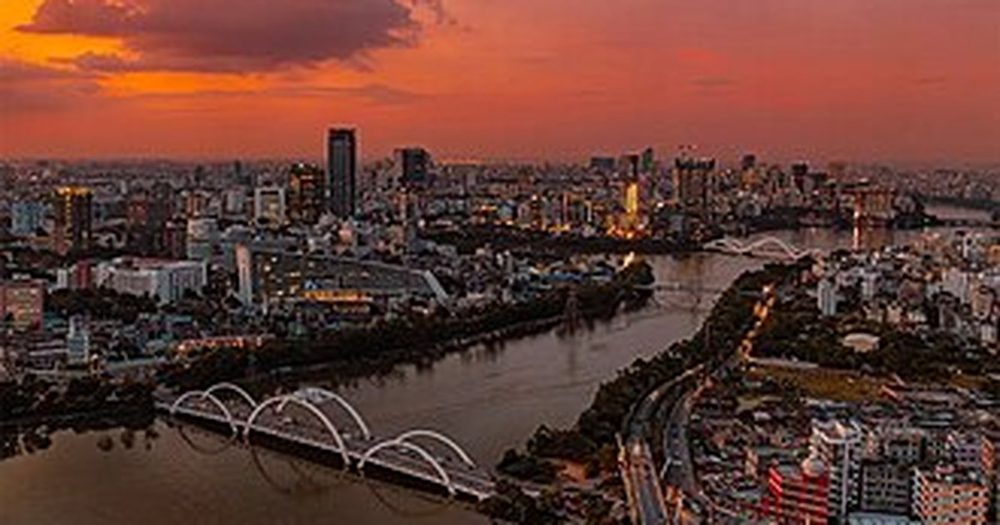
Other key attractions include the beautiful Cox's Bazar sea beach, the ancient ruins of Puthia, and the vibrant city of Dhaka, which is a hub of culture, commerce, and innovation.
People and Society
Bangladesh is home to a diverse and vibrant population, with a rich cultural heritage and a strong sense of community. The people of Bangladesh are known for their warmth, hospitality, and resilience. The country's society is characterized by a strong emphasis on education, family values, and social welfare.
Despite its challenges, Bangladesh is a country that is full of hope and potential. The people of Bangladesh are working towards building a brighter future for themselves and their country.
Frequently Asked Questions
What is the official language of Bangladesh?
The official language of Bangladesh is Bengali. English is also widely spoken and used in official and educational contexts.
What are the major religions in Bangladesh?
The major religions in Bangladesh are Islam, Hinduism, and Buddhism. Islam is the largest religion, followed by Hinduism and Buddhism.
What are the major industries in Bangladesh?
The major industries in Bangladesh include agriculture, textiles and garment manufacturing, and Information Technology (IT). The country is one of the world's leading exporters of ready-made garments.
Final Thoughts
Bangladesh is a country that is rich in culture, diverse in its people, and vibrant in its economy. Despite facing several challenges, the people of Bangladesh are resilient and determined to build a brighter future for themselves and their country. As a traveler, you are sure to be captivated by the country's natural beauty, rich history, and warm-hearted people. Bangladesh is a destination that offers a unique blend of tradition and modernity, making it a must-visit for any traveler.