
Artificial Intelligence: The Future of Technology
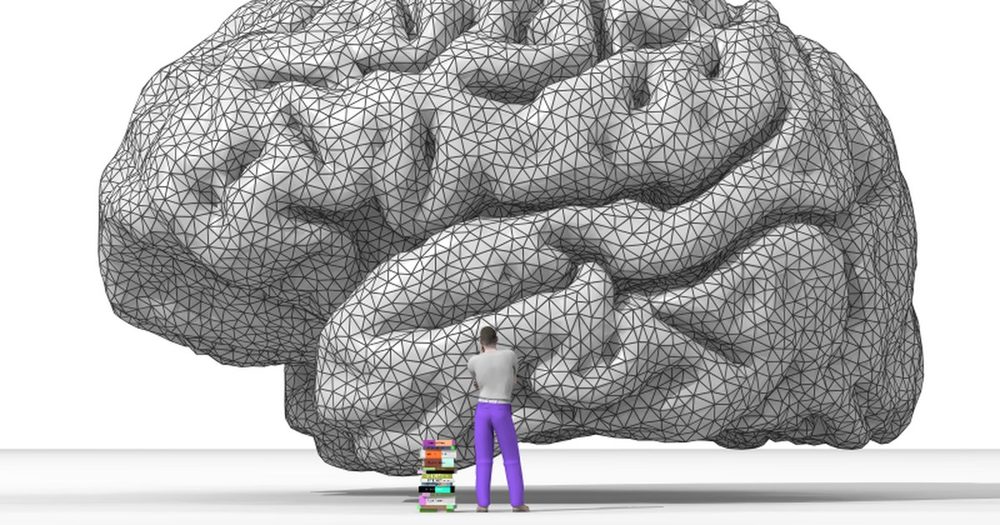
Explore the evolution and impact of AI on industries and daily life. Discover its potential and challenges.
Artificial Intelligence (AI) is no longer a concept of the future. It's here, and it's transforming industries and our daily lives. From healthcare to finance, AI is driving innovation and efficiency. But what does the future hold for AI? Let's explore the evolution of AI, its impact on various sectors, and the challenges and opportunities it presents.
Table of Contents
The Evolution of Artificial Intelligence
Artificial Intelligence has come a long way since its inception. The term "Artificial Intelligence" was coined in 1956, but it was not until the 21st century that AI began to make significant strides. The advent of big data, cloud computing, and advanced algorithms has fueled the growth of AI.
AI has evolved from simple rule-based systems to complex machine learning models that can learn and adapt. Today, AI is used in a wide range of applications, from virtual assistants like Siri and Alexa to self-driving cars and advanced robotics.
The Impact of AI on Industries
AI is revolutionizing industries across the globe. Here are some key areas where AI is making a significant impact:
- Healthcare: AI is used for early disease detection, personalized medicine, and robotic surgery. It's also improving patient care and reducing hospital readmissions.
- Finance: AI is used for fraud detection, algorithmic trading, and risk assessment. It's also enabling personalized financial advice and improving customer service.
- Retail: AI is used for personalized product recommendations, inventory management, and supply chain optimization. It's also enabling chatbots and virtual assistants to improve customer service.
- Manufacturing: AI is used for predictive maintenance, quality control, and process optimization. It's also enabling advanced robotics and automation.

The Challenges and Opportunities of AI
While AI presents numerous opportunities, it also comes with challenges. Some of the key challenges include:
- Ethical Concerns: AI raises ethical concerns about privacy, bias, and job displacement. It's important to ensure that AI is developed and used responsibly.
- Data Privacy: AI relies on large amounts of data. Ensuring the privacy and security of this data is crucial.
- Job Displacement: AI has the potential to automate many jobs, leading to concerns about job displacement. It's important to invest in reskilling and upskilling workers to adapt to the changing job market.
Despite these challenges, AI also presents numerous opportunities. Some of the key opportunities include:
- Increased Efficiency: AI can automate repetitive tasks, freeing up humans to focus on more creative and strategic work.
- Improved Decision Making: AI can analyze large amounts of data and provide insights that humans might miss. This can lead to better decision making and improved outcomes.
- Enhanced Personalization: AI can provide personalized experiences and recommendations, improving customer satisfaction and loyalty.

The Future of AI
The future of AI is bright and full of potential. As AI continues to evolve and improve, it will likely become even more integrated into our daily lives. Here are some key trends and predictions for the future of AI:
- General Artificial Intelligence (GAI): While AI has made significant strides in narrow AI, the development of GAI, which can perform any intellectual task a human can, is still a ways off. However, progress in this area is being made, and GAI could revolutionize industries and our daily lives.
- AI and the Internet of Things (IoT): The integration of AI and IoT has the potential to create smart cities, homes, and factories. This could lead to improved efficiency, sustainability, and quality of life.
- AI and Quantum Computing: The combination of AI and quantum computing has the potential to solve complex problems that are currently intractable. This could lead to breakthroughs in areas such as drug discovery, climate modeling, and materials science.
Frequently Asked Questions
What is Artificial Intelligence?
Artificial Intelligence (AI) is the simulation of human intelligence in machines that are programmed to think and learn like humans. AI can perform tasks such as visual perception, speech recognition, decision-making, and translation.
How is AI different from Machine Learning?
AI is a broad field that encompasses machine learning, deep learning, and other techniques. Machine learning is a subset of AI that involves the use of algorithms and statistical models to enable computers to improve their performance on a task over time without being explicitly programmed.
What are the ethical concerns surrounding AI?
Ethical concerns surrounding AI include privacy, bias, job displacement, and the potential for AI to be used for harmful purposes. It's important to ensure that AI is developed and used responsibly.
Final Thoughts
Artificial Intelligence is transforming industries and our daily lives. While it presents numerous challenges, it also offers great opportunities for innovation and growth. As AI continues to evolve, it's important to address the ethical concerns and ensure that AI is developed and used responsibly. The future of AI is bright, and it has the potential to revolutionize the way we live and work.