
How Club Football Works: Leagues, Champions League, and Why It Rules World Football
Club football is the heart of the global football system. Unlike international football where players represent their country, club football is where players are signed by professional clubs, play every week, and compete for league titles, cups, and continental trophies. From the English Premier League to the UEFA Champions League, club football is what most fans watch every day.

Table of Contents
What Is Club Football?
Club football is football played by professional clubs, not national teams. A club is a private organization that hires players, coaches, and staff under contract. Players can be from any country and can change clubs through the transfer system.
There are thousands of professional football clubs in the world, from grassroots clubs in small towns to global giants like Real Madrid, Manchester City, Barcelona, Bayern Munich, and Manchester United. Each club has its own stadium, logo, jersey colors, academy, and fan base.
A club season usually runs for 9 to 10 months, unlike international tournaments that happen every few weeks. This is why fans feel a stronger daily connection with their club than with their national team.
In club football, loyalty is not about where you were born — it is about which badge you choose to follow for life.
How Domestic Leagues Work

Every country has its own league system. The most famous are the Big Five European leagues: English Premier League, Spanish La Liga, German Bundesliga, Italian Serie A, and French Ligue 1.
In a domestic league, usually 18 to 20 teams play each other twice — once at home and once away. A win gives 3 points, a draw gives 1 point, and a loss gives 0. After 34 or 38 matches, the team with the most points becomes the champion.
The league system also uses promotion and relegation. The bottom 2 or 3 teams are relegated to the lower division, while the top teams from the lower division are promoted. This keeps competition intense until the last day. Alongside the league, clubs also compete for domestic cups like the FA Cup, Copa del Rey, or DFB-Pokal.
The League Pyramid
Below the top division, there are second, third, and fourth divisions. Young players often start in academy teams and lower leagues before reaching the first team. This pyramid system is what makes club football sustainable.
Continental Competitions: Champions League and Beyond

The best clubs from each domestic league qualify for continental competitions. In Europe, this is the UEFA Champions League, Europa League, and Conference League. In Asia, it is the AFC Champions League Elite.
The UEFA Champions League is considered the pinnacle of club football. From 2024-25, it features 36 teams in a new league-phase format where each team plays 8 different opponents. The top 8 teams qualify directly for the Round of 16, while teams placed 9th to 24th play in a knockout play-off round.
Winning the Champions League is the ultimate dream for any European club because it brings prestige, massive prize money, and qualification for the FIFA Club World Cup against champions from other continents.
The Champions League anthem is iconic because it represents the highest level of club football in the world.
The Business Behind Club Football: Transfers and Money

Club football is also a huge business. Clubs earn money from three main sources: broadcasting rights, commercial sponsorships, and matchday revenue from tickets and merchandise.
The transfer market is a key part of this business. Clubs can buy and sell players during two transfer windows — summer and winter. The buying club pays a transfer fee to the selling club, and the player signs a new contract with a salary. Top transfers can now exceed 200 million euros.
Modern clubs also invest heavily in data analytics, youth academies, and global scouting networks. Clubs like Ajax, Benfica, and Borussia Dortmund are famous for developing young players and selling them to bigger clubs, which is a sustainable business model.
Financial Fair Play
To prevent clubs from spending more than they earn, UEFA introduced Financial Fair Play and now Squad Cost Rules. Clubs must balance their spending on transfers and wages with their actual revenues.
Why Club Football Is So Popular
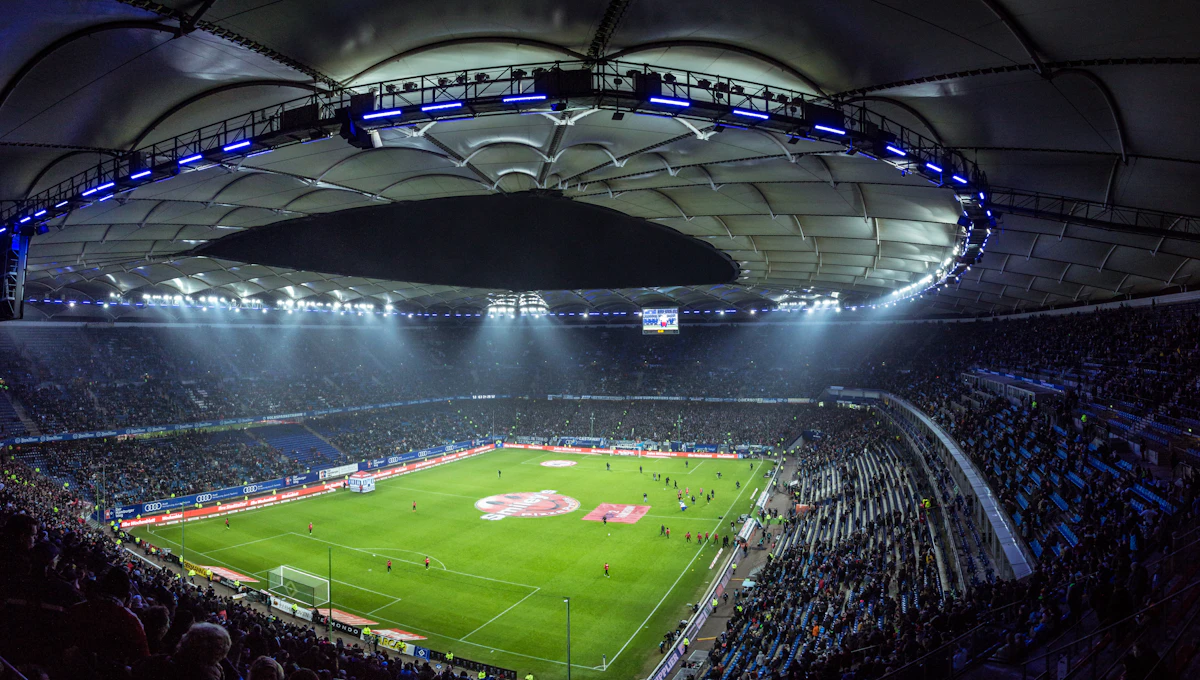
Club football is popular because it is available every week. Fans can watch their team for almost 10 months a year, unlike international football which happens in short breaks. This creates deep emotional connections, family traditions, and local identity.
Club football also has the best players playing together. A national team can only pick players from one country, but a club like Real Madrid or Manchester City can have the best Brazilian, French, English, and Argentine players in the same team. This makes the quality of football often higher than international matches.
With the growth of streaming, social media, and fantasy football, club football has become a 24/7 global culture. Fans in Asia can support a club in England, buy the same jersey, and watch every game live.
The future of club football includes the expanded 32-team FIFA Club World Cup starting from 2025, new formats for continental competitions, and even more technology like VAR, semi-automated offside, and advanced player tracking.
Frequently Asked Questions
What is the difference between club football and international football?
Club football is played between professional clubs who can sign any player. International football is played between national teams where players can only represent their country of birth or nationality.
What is the biggest club football competition?
The UEFA Champions League is widely considered the biggest and most prestigious club competition in the world.
How do clubs buy players?
Clubs buy players through the transfer system. They pay a transfer fee to the player's current club and agree on a personal contract and salary with the player during the transfer window.
What is promotion and relegation?
It is a system where the worst-performing teams in a league are relegated to a lower division, and the best teams from the lower division are promoted to the higher division.
Why do people support a club from another country?
Because of global TV coverage, social media, star players, and historic success, fans often connect with a foreign club's style, values, or players and follow them for life.
Final Thoughts
Club football is the engine of the football world. It drives talent development, entertainment, business, and global fan culture. Whether it is a local derby in your hometown or the Champions League final at Wembley, club football provides stories that last a lifetime. Understanding how leagues, cups, and transfers work helps you enjoy the game on a much deeper level.