
Afghanistan: History, Culture, and Modern Life in 2026
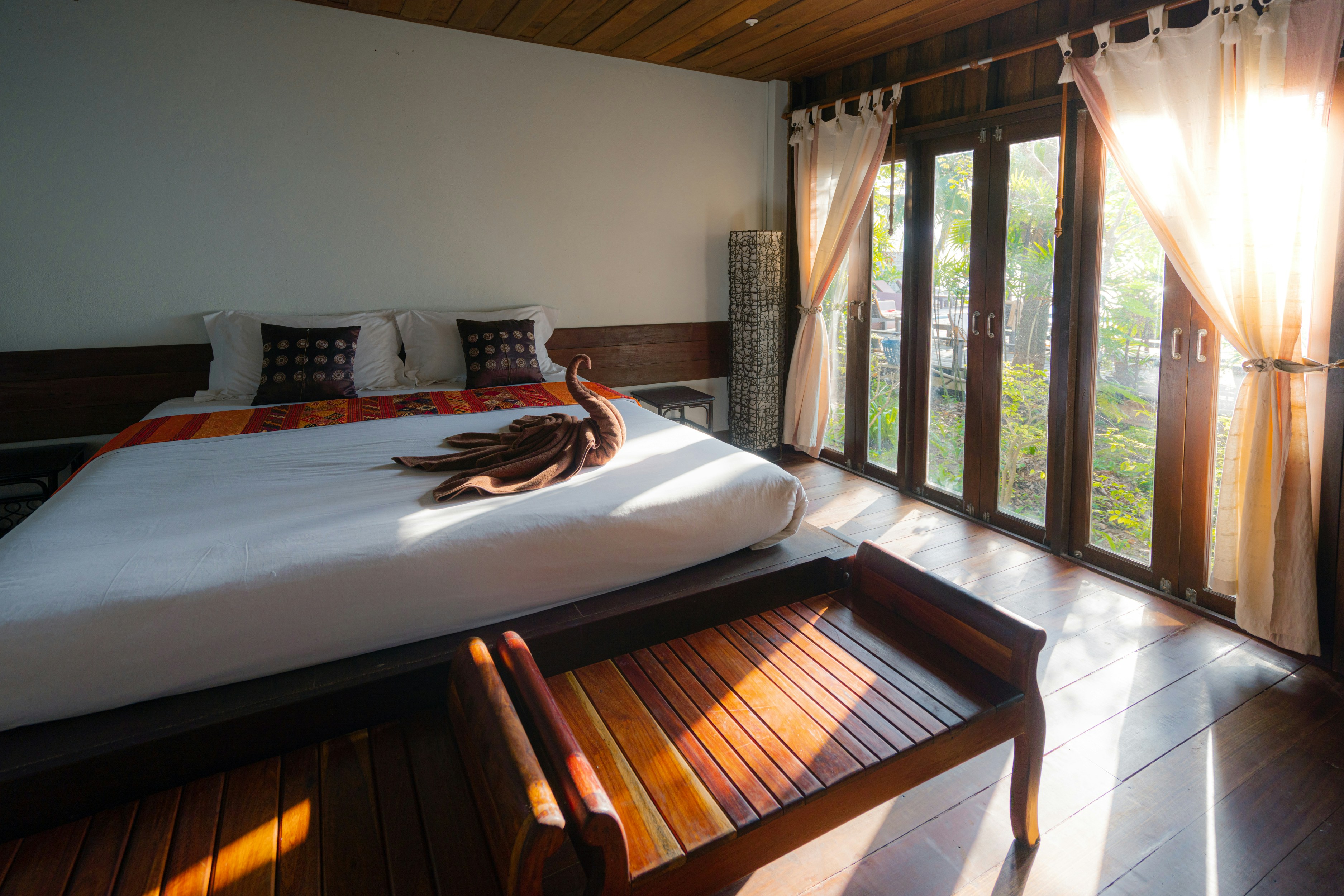
Afghanistan is a country located in South Asia, known for its rich history, diverse culture, and beautiful landscapes. It has been an important center of trade, culture, and civilization for thousands of years.
In 2026, Afghanistan continues to attract global attention due to its historical significance, cultural heritage, and ongoing development challenges. In this article, we will explore Afghanistan’s history, culture, geography, and modern life.
Geography of Afghanistan
Afghanistan is a landlocked country surrounded by Pakistan, Iran, Turkmenistan, Uzbekistan, Tajikistan, and China. The country is mostly mountainous, with the Hindu Kush mountain range running through it.
- Capital city: Kabul
- Major cities: Kandahar, Herat, Mazar-i-Sharif
- Language: Pashto and Dari
- Currency: Afghan Afghani
The natural beauty of Afghanistan includes mountains, valleys, deserts, and rivers.
History of Afghanistan

Afghanistan has a long and complex history. It has been part of many great empires, including the Persian Empire, the Greek Empire under Alexander the Great, and later the Islamic empires.
Due to its strategic location, Afghanistan has often been a center of conflict and trade routes such as the Silk Road.
In recent decades, the country has experienced wars and political changes that have affected its development.
Culture and Traditions
Afghanistan has a rich and diverse culture influenced by different ethnic groups such as Pashtuns, Tajiks, Hazaras, and Uzbeks.
Key Cultural Features:
- Traditional clothing
- Music and dance
- Hospitality and respect
- Religious practices
Family and community values are very important in Afghan society.
Food in Afghanistan

Afghan cuisine is flavorful and influenced by Middle Eastern, Central Asian, and South Asian cooking styles.
Popular Afghan Dishes:
- Kabuli Pulao
- Mantu (dumplings)
- Kebab
- Naan bread
Food plays an important role in Afghan culture and social gatherings.
Economy and Daily Life
Afghanistan’s economy is mainly based on agriculture, trade, and small industries. Many people live in rural areas and depend on farming and livestock.
In cities, people are involved in business, education, and services.
Despite challenges, people continue working hard to improve their lives.
Education and Technology
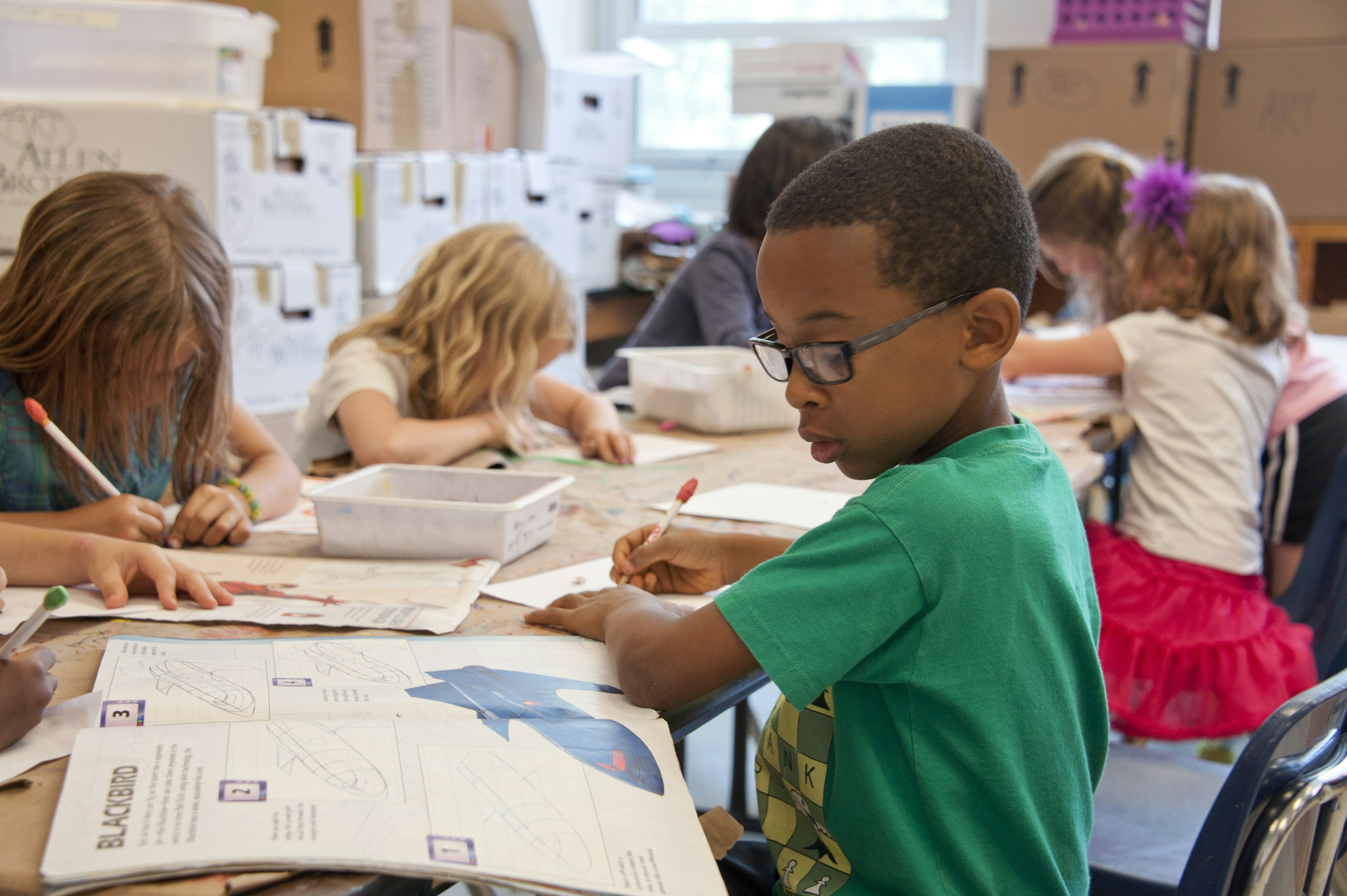
Education is an important part of development in Afghanistan. Schools and universities are working to provide better learning opportunities.
Technology and internet access are gradually increasing, helping people connect with the world.
Tourism and Natural Beauty
Afghanistan has many beautiful places that could attract tourists, including mountains, lakes, and historical sites.
Famous Places:
- Bamiyan Valley
- Band-e-Amir National Park
- Kabul city
Tourism has potential but is limited due to security concerns.
Challenges and Future
Afghanistan faces many challenges such as economic development, infrastructure, and stability. However, the people of Afghanistan remain strong and hopeful for a better future.
International support and internal progress can help the country grow and develop in the coming years.
Final Thoughts
Afghanistan is a country with deep history, rich culture, and strong people. Despite facing many challenges, it continues to move forward with hope and resilience.
Learning about Afghanistan helps us understand its importance in world history and its role in today’s global society.
Focus Keyword: Afghanistan Country Guide 2026
Meta Description: Learn about Afghanistan’s history, culture, geography, and modern life in 2026. Discover key facts, traditions, food, and future challenges.