
Discover how AI is transforming businesses, education, content creation, and everyday life in 2026.

Artificial Intelligence (AI) is becoming one of the most powerful technologies in the modern world. In 2026, AI is helping businesses automate tasks, improve productivity, and create smarter digital experiences. From chatbots and virtual assistants to self-driving cars and AI-generated content, artificial intelligence is shaping the future rapidly.
Companies, bloggers, students, freelancers, and marketers are now using AI tools every day to save time and increase efficiency.
What Is Artificial Intelligence?
Artificial Intelligence refers to computer systems that can perform tasks normally requiring human intelligence. These tasks include learning, problem-solving, decision-making, image recognition, and language understanding.
Modern AI systems use machine learning and deep learning technologies to analyze huge amounts of data and improve automatically over time.
Main Features of AI:
- Automation of repetitive tasks
- Fast data analysis
- Voice and image recognition
- Smart recommendations
- AI-generated content creation
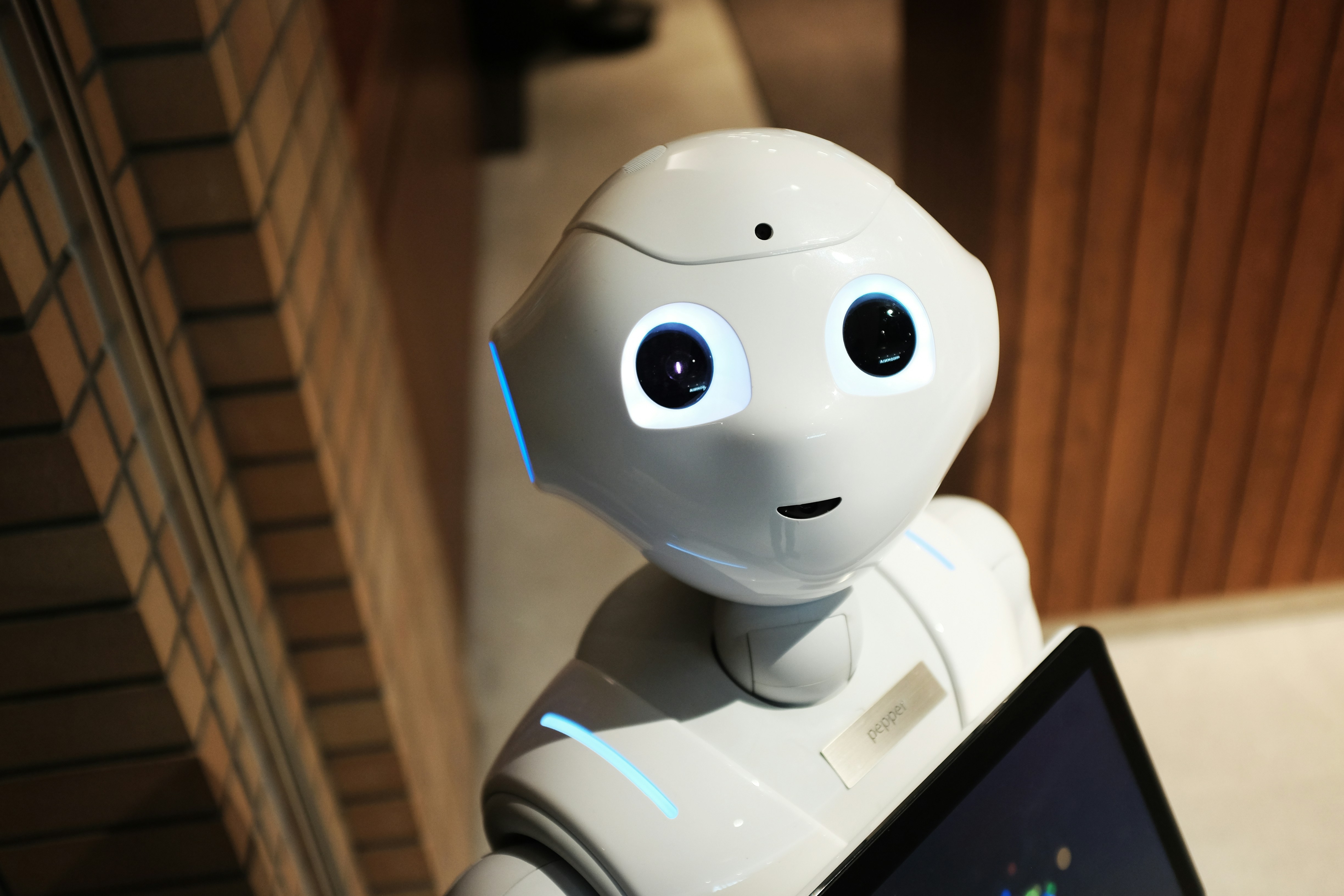
How AI Is Changing Businesses
Businesses are using AI to improve customer service, marketing strategies, and productivity. AI chatbots can answer customer questions instantly, while AI analytics tools help companies understand customer behavior.
In 2026, many companies are investing heavily in AI technologies to stay competitive in the digital marketplace.
Benefits of AI for Businesses:
- Improved customer support
- Better marketing decisions
- Faster workflow automation
- Reduced operational costs
- Higher productivity
AI in Content Creation
Content creators and bloggers are now using AI tools to generate ideas, write articles, create images, and edit videos. AI-powered writing assistants can help improve grammar, readability, and SEO optimization.
Many bloggers use AI tools to save time while maintaining high-quality content for their audiences.

Popular AI Content Uses:
- Blog writing assistance
- SEO optimization
- Video editing automation
- Social media content generation
- AI image generation
AI in Education
Artificial Intelligence is improving online education by providing personalized learning experiences. AI learning platforms can analyze student performance and suggest customized lessons.
Students can also use AI tutors to get instant explanations and practice exercises.
How AI Helps Students:
- Personalized learning
- Instant homework assistance
- Language translation support
- Interactive study tools
- Faster research capabilities

Advantages of Artificial Intelligence
⚡ Faster Work
AI systems can process information much faster than humans.
📈 Better Productivity
Businesses can automate repetitive tasks and save time.
💡 Smart Insights
AI helps analyze large amounts of data accurately.
Challenges of AI
Despite its benefits, AI also brings challenges such as privacy concerns, job automation risks, and ethical issues. Governments and technology companies are working to create responsible AI systems that protect users and society.
Common AI Challenges:
- Data privacy concerns
- Cybersecurity risks
- Job displacement fears
- High development costs
- Ethical decision-making

Future of AI in 2026 and Beyond
AI technology will continue growing rapidly in the coming years. Experts predict smarter virtual assistants, advanced robotics, improved healthcare systems, and more personalized digital experiences.
Businesses and individuals who learn AI-related skills early may gain major advantages in the digital economy.
Final Thoughts
Artificial Intelligence is transforming the world in incredible ways. From education and business to blogging and healthcare, AI is becoming a key part of modern life.
Understanding AI technology can help people prepare for future opportunities and stay competitive in the digital world.
Focus Keyword: Future of Artificial Intelligence 2026
Meta Description: Learn how Artificial Intelligence is transforming businesses, education, blogging, and technology in 2026. Discover AI benefits, challenges, and future trends.