
How Virtual Reality Could Change Education and Entertainment Forever
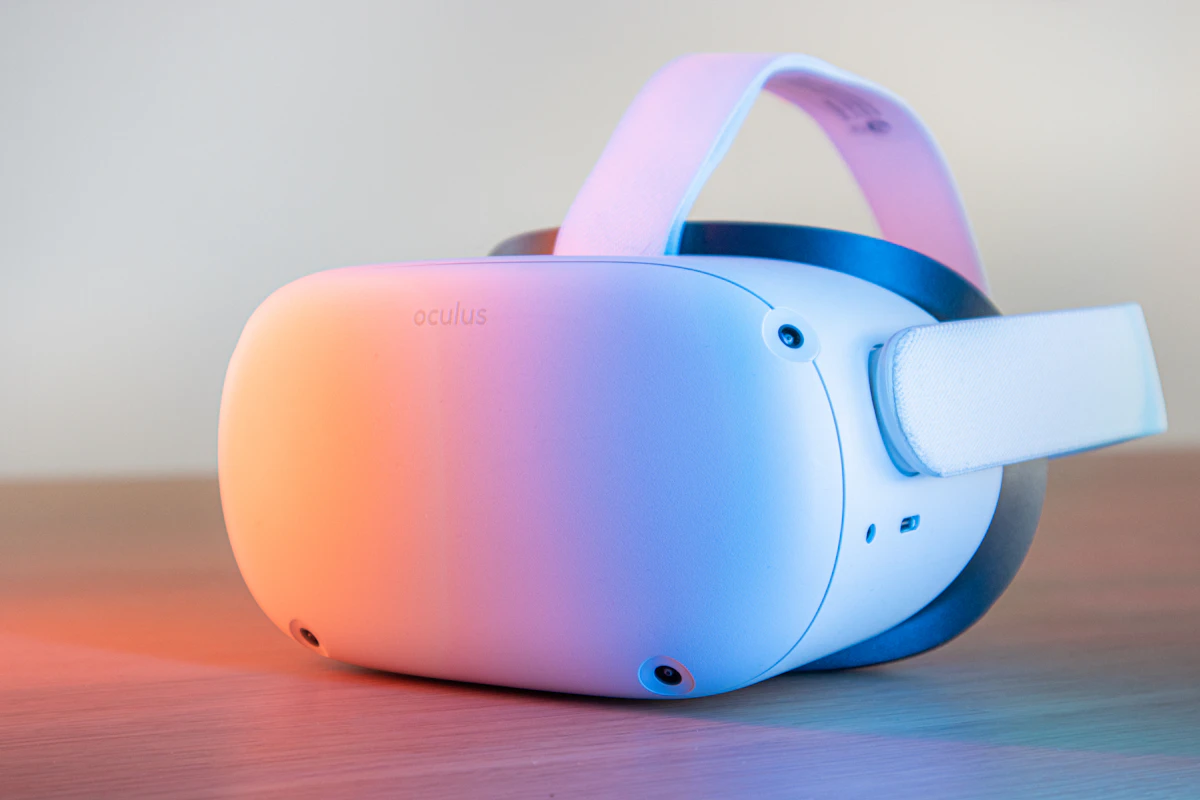
Virtual Reality, commonly known as VR, is becoming one of the most exciting technologies in the modern digital world. In 2026, VR systems are more advanced, immersive, and realistic than ever before. Technology companies are developing powerful virtual experiences that could completely change how humans learn, play, communicate, and experience entertainment.
Virtual Reality combines advanced graphics, Artificial Intelligence, motion tracking, and interactive digital environments to create immersive experiences that simulate real or imaginary worlds.
Experts believe VR technology could become a major part of future education, gaming, healthcare, and online communication.
What Is Virtual Reality?

Virtual Reality is a computer-generated environment that allows users to interact with digital worlds using VR headsets and motion sensors.
Main VR Features:
- Immersive 3D environments
- Interactive experiences
- Motion tracking technology
- Digital simulations
- Realistic visual systems
VR technology creates the feeling of physically being inside a digital world.
How VR Technology Works
Virtual Reality systems use multiple advanced technologies to create immersive experiences.
Main Technologies Include:
- VR headsets
- Motion sensors
- Artificial Intelligence
- 3D graphics rendering
- Spatial audio systems
Modern VR systems continue improving visual quality and user interaction.
VR in Education

Education is one of the industries that could benefit greatly from Virtual Reality technology.
Possible Educational Uses:
- Virtual classrooms
- Interactive science simulations
- Historical recreations
- Medical training systems
- Language learning environments
VR could make learning more interactive, engaging, and realistic for students.
VR Gaming and Entertainment
Gaming is currently one of the largest industries using Virtual Reality technology.
VR Gaming Advantages:
- Immersive gameplay
- Realistic environments
- Interactive storytelling
- Physical player movement
Future VR games may become nearly indistinguishable from real-world experiences.
Artificial Intelligence and VR
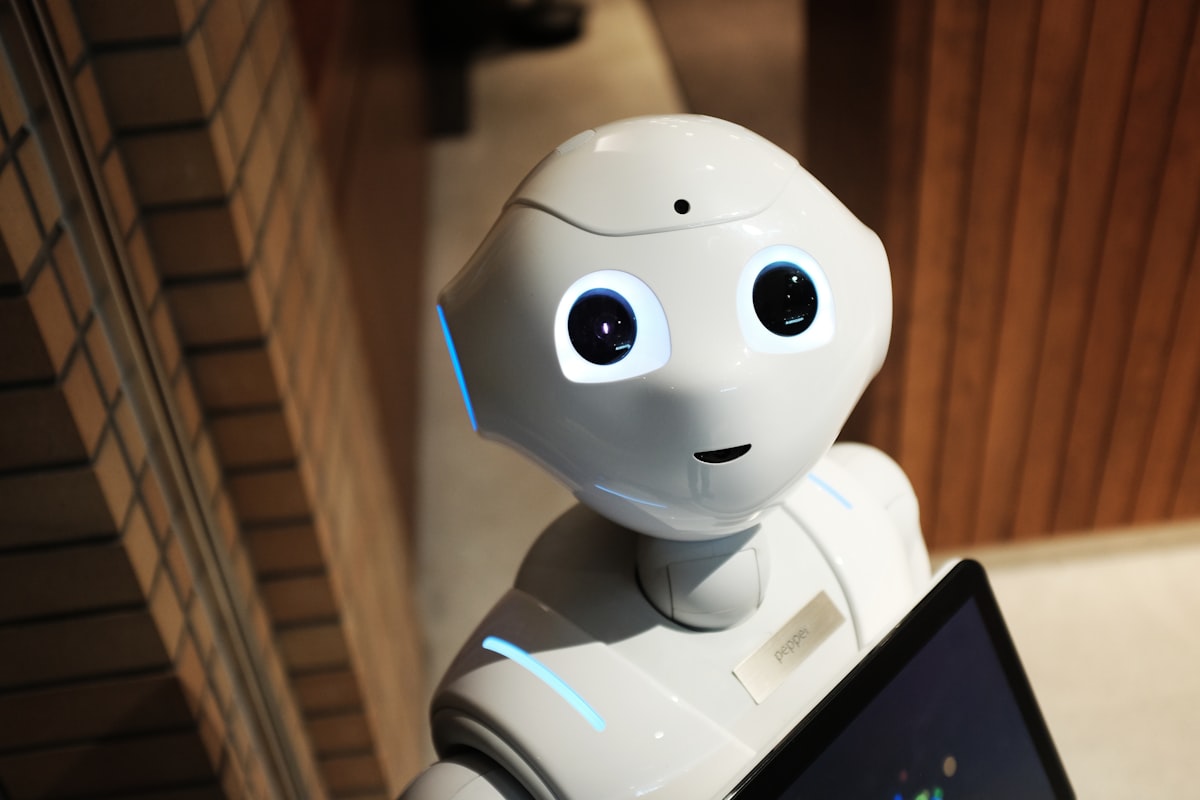
Artificial Intelligence is helping improve VR systems and digital interaction.
AI VR Applications:
- Smarter virtual characters
- Realistic simulations
- Voice interaction systems
- Personalized digital experiences
AI technology may make future VR worlds more intelligent and dynamic.
Healthcare and Medical Training
Healthcare professionals are also using VR technology for advanced medical applications.
Medical VR Uses:
- Surgical training
- Mental health therapy
- Pain management systems
- Rehabilitation programs
VR simulations may improve medical education and patient treatment systems.
The Metaverse and Digital Worlds

The concept of the metaverse is closely connected with Virtual Reality technology.
Possible Metaverse Features:
- Virtual social interaction
- Digital workplaces
- Online entertainment spaces
- Virtual business environments
Future digital worlds may allow people to work, learn, and socialize virtually.
Challenges Facing VR Technology
Although VR technology is exciting, several challenges still exist.
Main Challenges:
- High hardware costs
- Motion sickness issues
- Limited battery life
- Technical complexity
- Privacy concerns
Developers continue improving VR comfort, performance, and accessibility.
Could VR Replace Traditional Screens?

Some experts believe future VR systems may eventually replace traditional screens for certain activities.
Possible Future VR Uses:
- Virtual offices
- Immersive education
- Digital shopping
- Advanced communication systems
Virtual environments may become increasingly integrated into daily life.
The Future of Virtual Reality
VR technology is evolving rapidly through Artificial Intelligence, faster internet systems, and improved graphics technology.
Future VR Innovations:
- Ultra-realistic graphics
- Wireless VR systems
- Advanced haptic feedback
- AI-powered simulations
- Global virtual collaboration
Future VR systems may become more realistic, portable, and affordable.
Final Thoughts

Virtual Reality technology is becoming one of the most transformative digital innovations in 2026. By combining Artificial Intelligence, immersive graphics, and interactive systems, VR could reshape education, entertainment, healthcare, and communication.
Although technical challenges still remain, the future potential of Virtual Reality is enormous.
The next generation of digital experiences may feel more real and immersive than ever before.
Focus Keyword: Virtual Reality Future Technology
Meta Description: Discover how Virtual Reality could transform education, gaming, entertainment, and digital experiences in the future world.